How To Pet Insurance For Dogs | Protect Your Furry Friend and Your Wallet
Owning a dog is a rewarding experience, but it also comes with financial responsibilities. From routine vet visits to unexpected emergencies, veterinary costs can add up quickly. Pet insurance for dogs offers peace of mind and financial protection, ensuring your canine companion receives the best care without breaking your budget.
In this article, we’ll explore everything you need to know about pet insurance for dogs, including how it works, types of coverage, benefits, costs, and tips for choosing the best plan.
What Is Pet Insurance for Dogs?
Pet insurance for dogs is a policy that helps cover veterinary expenses related to accidents, illnesses, and sometimes routine care. Much like health insurance for humans, it allows dog owners to pay a monthly premium in exchange for partial reimbursement of veterinary bills.
By investing in pet insurance, dog owners can provide timely care for their pets without worrying about unexpected medical costs.
How Does Dog Insurance Work?
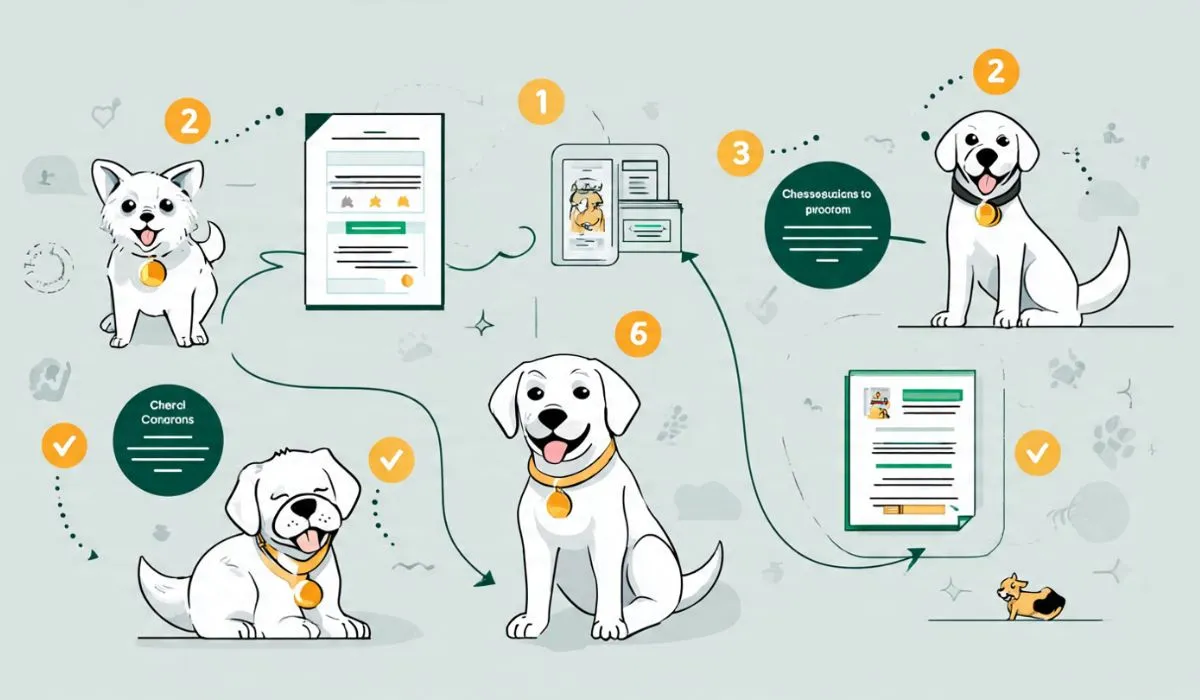
Understanding how pet insurance works is crucial before purchasing a policy. Here’s a step-by-step breakdown:
-
Choose a Plan – Pick a policy that suits your dog’s age, breed, and health needs.
-
Pay a Premium – A fixed monthly fee keeps the policy active. Premiums vary based on coverage, dog breed, age, and location.
-
Visit the Vet – Take your dog to the veterinarian for routine care or medical emergencies.
-
Submit a Claim – File a claim with your insurance provider, including vet receipts and medical records.
-
Receive Reimbursement – The insurer reimburses a percentage of eligible expenses, often ranging from 70% to 90%, depending on your plan.
It’s important to note that pet insurance generally works on a reimbursement basis, meaning you pay the vet upfront and get paid back later.
Read Next: 10 Funny Cats | Hilarious Feline Antics That Will Make You Laugh
Types of Dog Insurance Coverage:
Pet insurance for dogs comes in several types, allowing you to select the coverage that matches your needs and budget.
1. Accident-Only Coverage
-
Covers injuries such as broken bones, cuts, or poisoning.
-
Ideal for young, healthy dogs who are less likely to require treatment for illnesses.
-
Typically has lower premiums than comprehensive plans.
2. Accident and Illness Coverage
-
Covers accidents and a wide range of illnesses, including infections, cancer, and chronic conditions.
-
Offers broader protection than accident-only policies.
-
Recommended for most dog owners to protect against unexpected medical expenses.
3. Wellness or Routine Care Coverage
-
Covers preventive care, such as vaccinations, dental cleanings, flea and tick prevention, and annual check-ups.
-
Often offered as an add-on to standard accident and illness plans.
-
Helps reduce out-of-pocket expenses for routine care.
4. Specialized Coverage
Some insurers provide additional options like:
-
Hereditary and Genetic Conditions – Covers breed-specific illnesses.
-
Alternative Therapies – Includes acupuncture, physical therapy, or hydrotherapy.
-
Behavioral Therapy – Covers treatment for behavioral issues like anxiety or aggression.
Benefits of Pet Insurance for Dogs:
Investing in pet insurance has many advantages, from financial protection to peace of mind:
1. Financial Security
Unexpected medical emergencies can cost thousands of dollars. Pet insurance helps mitigate these costs, preventing financial stress.
2. Access to Better Care
Dog owners are more likely to pursue advanced treatments and surgeries knowing their insurance can help cover expenses.
3. Peace of Mind
Knowing your dog is covered in case of illness or accident allows you to focus on their health rather than worrying about bills.
4. Customized Plans
Many insurers offer flexible policies, allowing owners to select deductibles, reimbursement rates, and coverage levels that suit their budget and needs.
5. Support for Chronic Conditions
Some plans provide coverage for long-term illnesses, making it easier to manage ongoing treatments and medications.
Cost of Pet Insurance for Dogs:
The cost of dog insurance depends on multiple factors:
-
Age of the Dog – Older dogs are more prone to illness, resulting in higher premiums.
-
Breed – Some breeds are predisposed to certain conditions, affecting the cost.
-
Coverage Type – Accident-only plans are cheaper than comprehensive accident and illness coverage.
-
Deductible – Higher deductibles lower monthly premiums but increase out-of-pocket costs per claim.
-
Location – Veterinary costs vary by region, influencing insurance pricing.
On average, dog insurance costs between $30 and $70 per month, but premium plans with wellness coverage can exceed $100 monthly.
Choosing the Right Dog Insurance Plan:
Selecting the right pet insurance plan requires careful consideration of your dog’s needs and your budget. Here are key factors to evaluate:
-
Coverage Limits – Check annual, per-incident, and lifetime coverage caps.
-
Exclusions – Understand what is not covered, such as pre-existing conditions.
-
Reimbursement Rate – Higher reimbursement percentages reduce your out-of-pocket costs.
-
Deductibles – Determine whether you prefer a lower monthly premium with a higher deductible or vice versa.
-
Customer Service and Claims Process – Look for insurers with a smooth claims process and responsive support.
-
Reviews and Reputation – Research user reviews and company reliability.
Common Myths About Dog Insurance:
There are several misconceptions about pet insurance that may prevent owners from considering it:
Myth 1: “Pet insurance is too expensive.”
-
Reality: Plans can be customized to fit various budgets, and insurance often saves money in the event of emergencies.
Myth 2: “Only sick dogs need insurance.”
-
Reality: Insurance is most cost-effective when purchased while the dog is healthy, as pre-existing conditions are usually excluded.
Myth 3: “It’s better to save money in a separate fund.”
-
Reality: Medical emergencies can exceed typical savings, and insurance provides predictable protection.
Myth 4: “Claims are difficult to file.”
-
Reality: Most reputable insurers offer online submission and fast reimbursement.
Tips for Maximizing Dog Insurance Benefits:
To get the most out of your pet insurance:
-
Enroll Early – Sign up when your dog is young and healthy to avoid pre-existing condition exclusions.
-
Keep Records – Maintain veterinary records for smooth claims processing.
-
Understand the Policy – Know what is covered and what is not.
-
Use Preventive Care Options – Take advantage of wellness add-ons if included in your plan.
-
Review Annually – Adjust coverage as your dog ages or develops new health needs.
When Pet Insurance Makes Sense:
Pet insurance is particularly beneficial for:
-
Puppies and young dogs, to protect against accidents and prevent exclusions for pre-existing conditions.
-
Breeds prone to hereditary health issues, such as German Shepherds, Golden Retrievers, or Bulldogs.
-
Older dogs with ongoing medical needs, provided coverage was purchased earlier in life.
-
Owners who want peace of mind and access to the best veterinary care without financial stress.
Last Call:
Pet insurance for dogs is a smart investment that protects both your furry friend and your wallet. With coverage ranging from accidents to comprehensive health plans, dog insurance provides financial security, peace of mind, and access to quality veterinary care.
By understanding how dog insurance works, choosing the right plan, and maximizing its benefits, dog owners can ensure their pets live happy, healthy, and well-cared-for lives. Whether you have a playful puppy, an adventurous adult dog, or a senior companion, pet insurance is a valuable tool in providing the best care for your canine family member.
Investing in pet insurance is not just about saving money—it’s about safeguarding the health and happiness of your beloved dog, ensuring they get the care they deserve whenever they need it.
FAQs:
1. What is pet insurance for dogs?
Pet insurance for dogs is a policy that helps cover veterinary expenses for accidents, illnesses, and sometimes routine care. It works like health insurance for humans, providing reimbursement for eligible medical costs.
2. Why should I get dog insurance?
Dog insurance protects you from unexpected veterinary bills, ensures your dog receives timely care, and provides peace of mind knowing you can afford emergency treatments or long-term health care.
3. What does dog insurance usually cover?
Coverage depends on the plan but typically includes:
-
Accidents (broken bones, injuries, poisoning)
-
Illnesses (infections, cancer, chronic conditions)
-
Optional wellness care (vaccinations, dental cleanings, flea/tick prevention)
4. Are pre-existing conditions covered?
Most pet insurance plans do not cover pre-existing conditions. Enrolling your dog early, while healthy, ensures maximum coverage and avoids exclusions.
5. How much does dog insurance cost?
Premiums vary based on your dog’s age, breed, location, and plan type. On average, dog insurance costs $30–$70 per month, with comprehensive plans or wellness add-ons exceeding $100 per month.
6. What types of dog insurance are available?
-
Accident-only coverage: Covers injuries only
-
Accident and illness coverage: Covers injuries and illnesses
-
Wellness or preventive care coverage: Optional add-on for routine check-ups, vaccines, and dental care
7. How do I file a claim?
After paying the vet, submit the receipt and medical records to your insurance provider. Reimbursement rates typically range from 70%–90%, depending on your plan.
8. Is dog insurance worth it for older dogs?
It can be, but coverage may be limited if you enroll later in life. Many policies have age limits or higher premiums for senior dogs, so early enrollment is ideal.
9. Do all breeds need insurance?
While all dogs benefit from insurance, certain breeds prone to hereditary or chronic conditions—like German Shepherds, Bulldogs, or Golden Retrievers—may need it more to manage potential medical costs.
10. Can I customize my dog insurance plan?
Yes. Most insurers allow you to adjust deductibles, reimbursement rates, and coverage levels to fit your budget and your dog’s health needs.