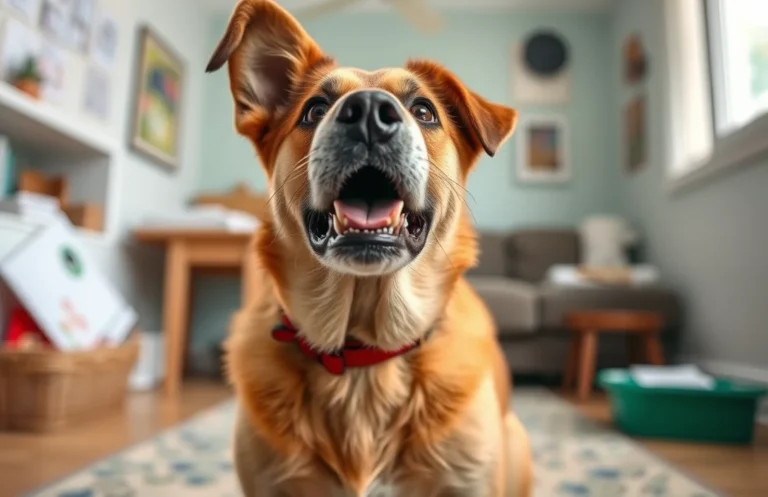
Why Are Boxer Dogs Called Boxers | The Surprising History Explained
Boxer dogs are one of the most recognizable and beloved dog breeds in the world. Known for their muscular build, expressive faces, and playful personalities, Boxers often look like they are always ready for action. One question dog lovers frequently ask is: Why Are Boxer Dogs Called Boxers?
Is it because they fight? Do they actually “box” like humans? Or does the name come from their history and behavior? The answer involves a fascinating mix of breed history, physical movement, temperament, and cultural interpretation.
This article explores the true origins of the Boxer dog’s name, separating myths from facts and explaining how this iconic breed got its unique title.
Understanding the Boxer Dog Breed:
Before diving into the name, it’s important to understand the breed itself.
Boxers are medium-to-large working dogs originally developed in Germany. They are intelligent, loyal, athletic, and extremely people-oriented. Despite their strong appearance, Boxers are affectionate family dogs known for their playful, clownish behavior.
Factors: Boxer dog breed, working dogs, canine behavior, German dog breeds, domestication
The Most Popular Explanation: Boxers “Box” With Their Paws:
1. The Boxing-Like Behavior
The most widely accepted reason Boxer dogs are called “Boxers” is because of the way they use their front paws during play and defense.
Boxers often:
-
Stand on their hind legs
-
Raise their front paws
-
Swat, jab, or punch playfully
This movement strongly resembles human boxing, especially when Boxers engage in play with other dogs or toys.
2. Unique Among Dog Breeds
While many dogs use their mouths or bodies to play, Boxers are especially known for:
-
Paw-based interaction
-
Upright posture during play
-
Repeated paw strikes
This behavior made early observers associate the breed with boxers in the ring, leading to the name.
Playfulness and the Boxer “Fighting Stance”:
Boxers naturally adopt a stance that looks like a boxer preparing for a match.
Typical Boxer Stance
-
Front legs lifted
-
Chest forward
-
Head tilted slightly
-
Alert and energetic posture
This posture is most often seen during play, excitement, or curiosity, not aggression. It reinforces the idea that the breed “boxes” rather than bites.
Importantly, this behavior is:
-
Non-aggressive
-
Social and playful
-
Rooted in instinct and coordination
Historical Origins of the Boxer Dog:
Descended From the Bullenbeisser
The Boxer dog originated in Germany in the late 19th century. It descends from an extinct breed called the Bullenbeisser, a powerful hunting dog used to catch large game like boar and deer.
The Bullenbeisser was known for:
-
Strength and agility
-
Powerful jaws
-
Courage and endurance
When breeders crossed the Bullenbeisser with other dogs, including early Bulldogs, the modern Boxer was developed.
The Name “Boxer” and German Language Influence:
Some historians suggest the name may come from German slang or cultural references.
Possible Linguistic Roots
-
The German word “Boxl” or “Buxer” has been suggested, though evidence is limited
-
The name may have been influenced by English-speaking breeders observing the dog’s behavior
There is no definitive proof that the word “Boxer” came directly from a German term, but it likely evolved as a descriptive nickname that stuck.
Myth: Boxers Were Named for Fighting:
Clearing Up a Common Misconception
Despite the name, Boxer dogs were not bred primarily for fighting. While some early ancestors were used in hunting and guarding, modern Boxers were selectively bred for:
-
Companionship
-
Working roles
-
Loyalty and trainability
The name “Boxer” refers to movement and behavior, not violent intent.
In fact, Boxers are known for being:
-
Gentle with families
-
Excellent with children
-
Highly affectionate
Read Next: Optimal Barometric Pressure for Fishing: Tips for You and Your Pet
The Role of Early Breeders in Popularizing the Name:
As the breed gained popularity in Europe and later in the United States, early breeders and kennel clubs adopted the name “Boxer” officially.
Why the Name Stuck
-
Easy to remember
-
Accurately described the dog’s playful behavior
-
Unique and distinctive among dog breeds
Once kennel clubs recognized the breed, the name became permanent.
Boxer Dogs and Their Expressive Personalities:
The name “Boxer” also fits the breed’s animated personality.
Personality Traits That Match the Name
-
Energetic
-
Expressive facial expressions
-
Playful body language
-
Strong interaction with humans
Boxers often look like they are “sparring” during play, reinforcing the name even further.
Boxer Dogs in Modern Times:
Today, Boxer dogs are known worldwide as:
-
Family companions
-
Working dogs
-
Service and therapy dogs
-
Guard dogs
Despite their strong build, they are emotionally sensitive and thrive on human connection.
The name “Boxer” has become synonymous with:
-
Playfulness
-
Strength balanced with affection
-
Athleticism
Comparison With Other Dog Breed Names:
Many dog breeds are named based on:
-
Appearance (Bulldog)
-
Origin (German Shepherd)
-
Function (Retriever)
The Boxer is unique because its name is based on behavioral observation, not geography or job alone.
Why the Name “Boxer” Fits So Well:
The name perfectly captures the breed’s essence:
-
Upright posture
-
Paw-based play
-
Energetic movement
-
Expressive interaction
Few dog breeds visually act out their name as clearly as Boxers do.
FAQs:
Do Boxer dogs actually fight?
No. The name refers to playful paw movements, not aggression.
Are Boxers aggressive dogs?
Boxers are generally friendly, loyal, and affectionate when properly trained and socialized.
Is the name Boxer related to human boxing?
Yes, visually. The way Boxers use their paws resembles human boxing movements.
Was the Boxer breed named in Germany?
The breed originated in Germany, but the exact naming influence may include both German and English observations.
Final Thoughts
So, why are Boxer dogs called Boxers?
The answer lies in their unique pawing behavior, upright stance, and playful “boxing” movements that resemble a human boxer in action. Combined with their expressive personalities and athletic build, the name became a natural and lasting fit.
Far from being fighters, Boxer dogs are joyful, loyal companions whose name reflects their playful spirit rather than aggression. Understanding the origin of their name gives deeper insight into the breed’s history, behavior, and enduring charm.