8 Tasty Lick Mat Ideas for Dogs: Safe Foods & Prep Tips
As a pet parent, noticing your dog’s boredom or anxiety can be worrying. It’s natural to want to provide them with enrichment and comfort. One effective tool for this is a lick mat, which can help soothe their nerves while keeping them engaged.
Using a lick mat can offer mental stimulation and calming benefits for your dog. Typically, it’s not serious if your dog seems bored, but if they exhibit signs of distress, it’s wise to consult your vet.
| Symptom | Normal? | Action Needed | Urgency Level |
|---|---|---|---|
| Boredom or anxiety | Yes | Try a lick mat | Low |
| Severe distress | No | Contact your vet | High |
In this guide, you will discover a variety of safe and delicious options to use on lick mats, along with tips for preparation and introduction.
Lick Mats Explained
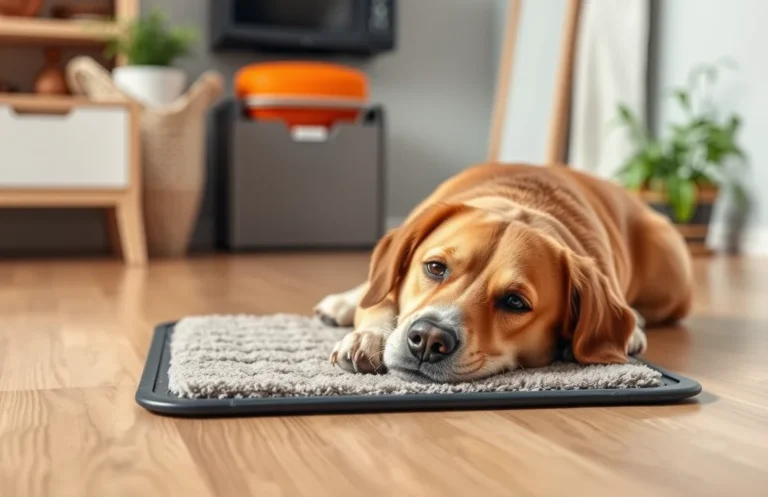
Lick mats are innovative feeding tools designed to keep your dog engaged while promoting healthy eating habits. By spreading food or treats across the textured surface, lick mats provide mental stimulation and help alleviate anxiety during mealtime or stressful situations.
- What are lick mats? Lick mats are flat, usually silicone or rubber mats with raised patterns that encourage dogs to lick rather than chew. This action mimics natural behaviors and can help calm your furry friend.
- Benefits for dogs: Lick mats offer several advantages:
- Reduces anxiety: The repetitive licking can soothe dogs, making them less anxious during events like thunderstorms or fireworks.
- Encourages slow eating: Spreading food on a lick mat can prevent fast eaters from gulping their meals, reducing the risk of bloat.
- Dental health: Licking can promote saliva production, which helps wash away food particles and bacteria, contributing to better oral hygiene.
- Mental stimulation: Engaging with a lick mat can keep your dog entertained and mentally challenged, which is especially beneficial for high-energy breeds.
Considerations by Breed and Age
Understanding your dog’s breed and age is crucial when selecting what to put on a lick mat. Different breeds have varying dietary needs, and age can influence their ability to handle certain textures and flavors. This section will provide tailored advice for puppies, adult dogs, and senior dogs, ensuring a safe and enjoyable experience for your furry friend.
Puppies (0-12 months)
- Puppies under 6 months should be introduced to lick mats gradually. Start with soft, easily digestible foods like pureed pumpkin or yogurt. These options are gentle on their developing digestive systems.
- Feed small amounts, around 1-2 tablespoons, to prevent overfeeding. Monitor their reaction to new flavors and textures, as some puppies may be sensitive to certain ingredients.
- Avoid any food that contains added sugars or artificial sweeteners, as these can be harmful to young pups. Always prioritize their safety and health.
Adults (1-7 years)
- Adult dogs can enjoy a wider variety of foods on their lick mats, such as nut butters (ensure they’re xylitol-free), mashed fruits, or wet dog food. These options can provide enrichment and mental stimulation.
- Portion sizes can range from 2-4 tablespoons, depending on your dog’s size and dietary needs. Always check with your vet if you’re unsure about their daily intake.
- Be cautious with high-calorie options to prevent obesity, especially in less active breeds. Regular exercise and balanced nutrition are vital.
Seniors (7+ years)
- Senior dogs may have different texture preferences and digestive sensitivities. Soft foods like blended sweet potatoes or low-fat cottage cheese are excellent choices.
- Limit portions to 1-2 tablespoons, as older dogs may have slower metabolisms. Monitor their weight closely and adjust accordingly.
- Stay clear of foods that are hard to chew or high in fat, as they can lead to gastrointestinal upset. Always ensure their comfort and health.
Food Options for Lick Mats
Using lick mats can be a wonderful way to enrich your dog’s mealtime and provide mental stimulation. Here, we’ll explore various food options that are safe and enjoyable for your furry friend, categorized by type. Each option has its benefits, and it’s essential to choose the right ingredients based on your dog’s age and health needs.
Wet Foods
- Canned dog food – Opt for high-quality brands with real meat as the first ingredient.
- Plain yogurt (unsweetened) – A good source of probiotics; use in moderation.
- Bone broth – Low-sodium and without onions or garlic, it’s hydrating and palatable.
Spreads
- Peanut butter – Ensure it’s xylitol-free; it can be a delightful treat.
- Pumpkin puree – Rich in fiber and good for digestion; avoid spiced or sweetened varieties.
- Coconut oil – Great for skin and coat health; use sparingly.
Fruits and Vegetables
These can be great additions, but always ensure they are safe for your dog:
- Safe Fruits: Blueberries, apple slices (remove seeds), banana.
- Safe Vegetables: Sweet potatoes (cooked), carrots, green beans.
Homemade Recipes
Creating your own spread can be fun and healthy:
“Mix plain yogurt with mashed bananas and a sprinkle of peanut butter for a tasty lick mat treat!”
For puppies under 6 months, use smaller amounts, like 1-2 tablespoons of spread per use. For adult dogs, aim for ¼ cup per 10 lbs of body weight. Always monitor your dog for any adverse reactions, especially when introducing new foods.
Safety Tips for Ingredients
When selecting ingredients for your dog’s lick mat, understanding safety considerations is crucial to ensure your furry friend’s well-being. This section will help you navigate common allergens, toxic foods, and appropriate serving sizes to keep your pup safe and happy.
| Item | Amount/Specification | Notes |
|---|---|---|
| Peanut Butter | 1 tablespoon | Ensure it is xylitol-free; can be a common allergen. |
| Plain Yogurt | 1 tablespoon | Choose unsweetened; monitor for lactose intolerance. |
| Pumpkin Puree | 1-2 tablespoons | High in fiber; great for digestion. |
| Sweet Potatoes | 1-2 tablespoons, mashed | Cooked and plain, no additives. |
| Carrots | 1 tablespoon, finely grated | Safe and crunchy; cut into small pieces for small breeds. |
| Grapes/Raisins | — | EMERGENCY: Call vet immediately if ingested. |
- For puppies under 6 months, limit the amount to 1 teaspoon to avoid digestive upset.
- Senior dogs over 7 years may require monitoring for allergies or sensitivities to new foods.
- Always introduce new ingredients gradually to observe for any adverse reactions.
- Schedule a vet check if your dog shows any signs of discomfort, such as vomiting or diarrhea, after trying a new ingredient.
Preparing Food for Lick Mats
Preparing delicious and safe food for your dog’s lick mat is essential to ensure they enjoy their experience while reaping the benefits of mental stimulation and anxiety relief. This section will guide you through the preparation of wet food and homemade spreads that are suitable for use on lick mats.
- Preparing Wet Food: Choose a high-quality wet dog food that is free from harmful additives. Measure out the appropriate amount based on your dog’s weight—typically around ¼ cup per 5 lbs of body weight. Ensure that the food is at room temperature for easier spreading on the mat.
- Making Homemade Spreads: You can create a variety of spreads using safe ingredients. For example, mix plain yogurt (unsweetened and free of artificial sweeteners) with mashed bananas or pumpkin puree. Blend until smooth and spreadable. Aim for a consistency that your dog can lick easily.
- Consider Texture: When preparing food for lick mats, the consistency is key. Aim for a mixture that can be easily smeared but not too runny. If you find it too thick, a splash of low-sodium broth can help achieve the right texture.
- Portion Control: Lick mats can encourage overeating if too much food is applied. It’s best to use a small amount of the spread or wet food, approximately 1-2 tablespoons, depending on the size of the mat and your dog’s dietary needs.
Introducing Lick Mats to Dogs
Introducing your furry friend to a lick mat can be an enriching experience, promoting relaxation and mental stimulation. To ensure a positive introduction, using positive reinforcement and a gradual approach is essential.
Positive Reinforcement
- Use Treats and Praise: When your dog shows interest in the lick mat, reward them with verbal praise or a small treat. This encourages them to engage with the mat positively.
- Stay Calm: Your energy can affect your dog’s reaction. Stay relaxed and encouraging to help your dog feel comfortable with the new item.
Gradual Introduction Steps
- Familiarization: Start by allowing your dog to explore the lick mat without any food. Let them sniff and investigate it to reduce any apprehension they may have.
- First Application: Apply a small amount of a familiar treat, such as peanut butter (ensure it’s xylitol-free), to the lick mat. Monitor your dog’s interest and engagement.
- Short Sessions: For the first few times, limit licking sessions to 5-10 minutes. Gradually increase the duration as your dog becomes more comfortable.
- Supervised Use: Always supervise your dog while they’re using the lick mat to ensure they don’t chew or ingest it.
Remember, for puppies under 6 months, use softer spreads and ensure all items are safe and appropriate for their developmental stage. If your dog shows signs of anxiety or refuses the lick mat after several attempts, consider consulting with your veterinarian or a professional trainer for further guidance.
Cleaning Lick Mats
Keeping lick mats clean is essential for your dog’s health and safety. Proper cleaning prevents the buildup of bacteria and ensures that your furry friend enjoys their next treat without any risk of contamination. Here are some effective methods to clean lick mats after use.
- Rinse Immediately: After your dog finishes using the lick mat, rinse it under warm water to remove any leftover food residue. This step is crucial as it makes the subsequent cleaning process easier and more effective.
- Soak in Soapy Water: Fill a basin with warm, soapy water and submerge the lick mat for about 15-20 minutes. Use a mild dish soap that is safe for pets. This helps to dissolve any stubborn food particles and makes scrubbing easier.
- Scrub with a Brush: Using a soft-bristled brush or sponge, gently scrub the surface of the lick mat to dislodge any remaining debris. Pay special attention to the grooves and crevices where food may get trapped. Avoid harsh scrubbing pads that could damage the mat’s surface.
- Rinse Thoroughly: After scrubbing, rinse the lick mat thoroughly under warm water to ensure all soap is removed. Any soap residue can be harmful to your dog, so this step is vital.
- Dry Completely: Place the lick mat on a clean towel or drying rack and allow it to air dry completely. Avoid direct sunlight which can warp the mat. Ensuring it is fully dry before storing helps prevent mold growth.
Red Flags for Vet Visits
While licking mats can provide enrichment and help with anxiety, there are certain signs that your dog may need veterinary attention. Monitoring your furry friend for any adverse reactions or gastrointestinal issues is crucial to ensuring their well-being. Here are some red flags to watch for.
- Allergic reactions: If you notice swelling, itching, or redness around your dog’s mouth or face after using a lick mat, this could indicate an allergic reaction to one of the food items. Discontinue use immediately and consult your veterinarian if symptoms persist.
- Gastrointestinal issues: Signs of gastrointestinal distress, such as vomiting, diarrhea, or lethargy, after your dog has licked a mat can be concerning. Monitor your dog closely, and if these symptoms last for more than 24 hours, schedule a vet check. Your vet can help determine if the ingredients used are suitable for your pet.
- Unusual behavior: If your dog seems unusually restless, anxious, or refuses to eat after licking a mat, it might be a sign of discomfort. Consider reaching out to your vet to discuss potential underlying issues.
Remember to always introduce new foods gradually and in moderation, especially if your dog has a sensitive stomach or a history of allergies. Keeping an eye on their reaction to new treats can help you create a safe and enjoyable experience for your pet.
Quick Summary
- Safe Toppings: Use peanut butter, plain yogurt, or pumpkin puree.
- Limit Sugars: Avoid toppings with added sugars or artificial sweeteners.
- Monitor Portions: Keep lick mat treats to a small amount to prevent overfeeding.
- Regular Cleaning: Wash the lick mat after each use to maintain hygiene.
| Action | Frequency |
|---|---|
| Check for allergies | Before introducing new toppings |
| Vet visit | If any unusual behavior occurs |
- Age-specific Tip: Older dogs may prefer softer textures like yogurt.
- Emergency Contacts: Keep your vet’s number and poison hotline handy.
Frequently Asked Questions
What are some safe options to put on a lick mat for my dog?
You can use peanut butter (xylitol-free), plain yogurt, or pumpkin puree as tasty and safe options for your dog’s lick mat.
Is it normal for my dog to lick the mat excessively?
Yes, it’s normal for dogs to enjoy licking mats as it provides mental stimulation and can help reduce anxiety, but excessive licking could indicate stress or boredom.
When should I take my pet to the vet for licking behavior?
If your dog is licking to the point of causing redness, swelling, or sores on their skin, it’s best to consult your veterinarian for further evaluation.
Can I use human food on a lick mat?
Yes, but make sure to avoid foods that are toxic to dogs like chocolate, grapes, and onions, and stick to safe options like plain yogurt or mashed sweet potatoes.
How often can I give my dog a lick mat treat?
You can offer a lick mat as a treat 1-2 times a week to avoid overfeeding and to maintain a balanced diet for your dog.