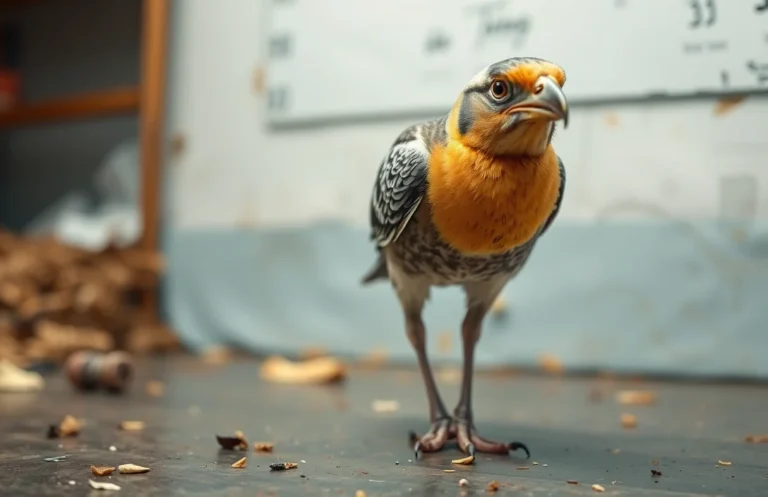
8 Migratory Birds in Donana: Viewing Tips and Patterns
As a pet parent, noticing the vibrant colors of migratory birds near Donana National Park can be a delightful distraction from everyday concerns about your furry friend. While watching these beautiful creatures, you might find yourself wanting to ensure that your pet is safe and healthy during outdoor adventures.
Understanding the migration patterns of birds can provide insight into the best times for you and your pet to enjoy nature. You’ll learn about various bird species, their habitats, and when to spot them, so you can plan your outdoor moments together. If your pet shows signs of anxiety or excitement around birds, it might be a good idea to consult with a vet.
| Symptom | Normal? | Action Needed | Urgency Level |
|---|---|---|---|
| Excitement around birds | Yes | Monitor behavior | Low |
| Anxiety or distress | No | Consult a vet | Medium |
Importance of Migratory Birds
Migratory birds play a crucial ecological role in ecosystems such as Donana National Park, contributing to biodiversity and the health of the environment. Their seasonal movements not only connect different habitats but also influence the cultural heritage of the regions they inhabit.
- Ecological Impact: Migratory birds help in the pollination of plants and the dispersal of seeds. This process is essential for maintaining the health of ecosystems, particularly in areas like Donana National Park, where diverse habitats coexist.
- Food Chain Dynamics: These birds serve as both predators and prey within their ecosystems. They help control insect populations and provide food for larger predators, maintaining a balance that supports a wide variety of wildlife.
- Cultural Significance: The arrival of migratory birds often marks seasonal changes, influencing local traditions and festivals. In many cultures, these birds symbolize renewal and the cycle of life, fostering a connection between the community and nature.
- Tourism and Conservation: The presence of migratory birds attracts birdwatchers and nature enthusiasts, promoting eco-tourism. This interest can lead to increased funding and awareness for conservation efforts within the park, benefiting both wildlife and the local economy.
Common Species in Donana
This section highlights some of the most frequently observed migratory bird species that pass through Donana National Park. Understanding these birds not only enriches your appreciation of the park’s biodiversity but also aids in planning your visits to witness their stunning beauty and behaviors.
- European Spoonbill – Notable for its distinctive spoon-shaped bill, this species is often seen wading in shallow waters. Best observed during spring migration (March to May).
- Black-tailed Godwit – A large wader, recognized by its long legs and upturned bill. Look for them in marshes and mudflats from April to June.
- Montagu’s Harrier – A graceful raptor often seen gliding over fields. Sightings are most common from April to October.
- Redshank – This medium-sized wader has a distinctive red leg and is often found in wet meadows. Peak migration occurs from March to May.
- Common Crane – Known for their loud calls and impressive dances, these birds are best spotted in flocks during the migration period from October to March.
“From my experience, the best time to observe migratory birds in Donana is during dawn and dusk when they are most active.”
Each of these species plays a vital role in the ecosystem, and their presence is a key indicator of environmental health in Donana National Park. By being aware of their migration patterns and habitats, you can enhance your wildlife watching experience.
Migration Patterns
This section discusses the migration routes and timing of various migratory birds passing through Doñana National Park. Understanding these patterns is crucial for birdwatchers and conservationists alike, as it highlights the importance of this habitat for avian species during their seasonal travels.
Spring Migration
During spring, many migratory birds return to Doñana National Park to breed and take advantage of the abundant food supply. This migration typically occurs between late March and early May. Key species to watch for include:
- White Stork
- Common Chiffchaff
- European Bee-eater
- Black Kite
Autumn Migration
In the autumn months, from late August to early November, many birds migrate south to escape colder temperatures. This is an excellent time to observe species such as:
- Great Egret
- Wood Sandpiper
- Red Kite
- Common Cuckoo
“From my clinical experience, many bird species utilize the wetlands of Doñana as a stopover point to refuel before continuing their migration.”
Monitoring these migration patterns not only supports birdwatching efforts but also helps in conservation initiatives aimed at protecting these vital habitats. By recognizing the seasonal changes, visitors can better plan their excursions to coincide with the arrival of these magnificent birds.
Best Viewing Times
Understanding the best times for birdwatching at Donana National Park can significantly enhance your experience. The timing of your visit can influence the number of migratory birds you see, as well as their behaviors and activities.
Seasonal Highlights
The migratory patterns of birds vary by season, making certain times of the year particularly favorable for birdwatching:
- Spring (March to May): This is peak migration time for many species, including the vibrant European Bee-eater and the majestic White Stork. Expect to see these birds arriving to breed.
- Fall (September to November): Many species, such as the Common Cranes, pass through Donana as they head to warmer climates. This is a great time for observing large flocks.
- Winter (December to February): While fewer migratory birds are present, species such as the Red Kite can often be seen scavenging for food.
Daily Timing
Bird activity typically peaks at certain times of the day:
- Early Morning: Birds are most active during the first few hours after sunrise. This is when they are feeding and singing, making it an ideal time for viewing.
- Late Afternoon: Similar to the morning, late afternoon is another active period for birds as they prepare to roost for the night.
“From my experience, the early morning light not only enhances visibility but also makes for stunning photographs of these beautiful creatures.”
Habitats of Migratory Birds
The diverse habitats of Donana National Park play a crucial role in supporting migratory birds during their seasonal journeys. Wetlands and forests within the park provide essential resources such as food, shelter, and breeding grounds, making it a critical stopover for various species.
Wetlands
The extensive wetlands of Donana are vital for many migratory birds. These areas are teeming with life and offer abundant food sources, including fish, insects, and aquatic plants. Some notable migratory birds that frequent these wetlands include:
- Flamingos
- Herons
- Teals
- Waders, such as the Black-tailed Godwit
The best times to see these birds are during the spring and autumn migrations when they gather in large numbers to refuel.
Forests
The forested areas of Donana provide a different habitat that attracts various passerine birds. These forests offer nesting sites and shelter from predators. Migratory species often found in these habitats include:
- Warblers
- Flycatchers
- Woodpeckers
“The shaded canopies of the forests are perfect for birds seeking refuge during their migration, and they often return year after year.”
Understanding the importance of these habitats can enhance your experience while observing these magnificent creatures as they pass through Donana National Park. Each habitat plays a unique role in the migratory patterns and behaviors of these birds, making conservation efforts essential for their continued survival.
Viewing Locations in Donana
Donana National Park offers a plethora of prime spots for birdwatching enthusiasts eager to observe migratory birds. Knowing where to go can significantly enhance your experience, allowing you to catch sight of these beautiful creatures in their natural habitats. Here are some of the best locations within the park for observing migratory birds.
Lookout Points
- La Rocina Lookout: This spot provides a panoramic view of marshes and lagoons, making it ideal for spotting wading birds like herons and egrets.
- Las Marismas: A popular area for observing large flocks of migratory ducks and geese during the winter months.
- El Acebuche: Known for its diverse range of habitats, this lookout is perfect for viewing both waterfowl and raptors.
Trails
Walking along designated trails not only immerses you in the stunning landscapes of Donana but also increases your chances of encountering various migratory birds. Consider these trails:
- Sendero de los Cernícalos: This trail offers close encounters with small birds of prey and songbirds.
- Sendero de la Laguna de los Patos: Ideal for spotting waterfowl and shorebirds, particularly during migration seasons.
“From my clinical experience, visiting these locations at dawn or dusk often yields the best bird sightings due to their active feeding times.”
Conservation Efforts
Conservation initiatives are vital for protecting the diverse migratory birds that pass through Donana National Park. These efforts aim to address threats faced by these species and ensure their habitats remain sustainable for future generations.
Threats to Birds
Various factors threaten migratory birds in Donana, including habitat loss, climate change, and pollution. Understanding these challenges helps us take action:
- Habitat Loss: Urban development and agricultural expansion reduce available nesting and feeding areas.
- Climate Change: Altered weather patterns disrupt migration schedules and food availability.
- Pollution: Pesticides and plastic waste can harm bird populations and their habitats.
How to Help
Every individual can contribute to the conservation of migratory birds. Here are practical steps you can take:
- Support local conservation organizations focused on protecting bird habitats.
- Participate in citizen science projects, such as bird counts, to help track migratory patterns.
- Educate others about the importance of preserving natural habitats for wildlife.
“Small actions can lead to significant impacts in conservation efforts. Every little bit helps protect our feathered friends.”
By being proactive and engaged, we can support the migratory birds that grace Donana National Park, ensuring their presence for generations to come.
Birdwatching Tips
For those eager to observe the migratory birds at Donana National Park, having the right equipment and following ethical birdwatching practices can enhance your experience while ensuring the safety of the wildlife. Here are some suggestions to make the most of your time in this beautiful habitat.
Equipment Suggestions
- Binoculars: A good pair of binoculars with at least 8x magnification will help you spot birds from a distance.
- Field Guide: Bring along a field guide or a bird identification app to help you recognize the various species.
- Notebook: Keep a journal to note your sightings and any interesting behavior you observe.
- Camera: If you want to capture the moment, a camera with a zoom lens can be great for photography.
- Comfortable Clothing: Wear weather-appropriate clothing and sturdy shoes for walking through diverse terrains.
Ethical Birdwatching
Respecting wildlife and their habitats is crucial while birdwatching. Here are some important guidelines to follow:
- Stay on marked trails to minimize habitat disturbance.
- Maintain a safe distance from birds; use binoculars or a camera zoom instead of approaching them closely.
- Avoid calling or mimicking bird calls, as this can stress them and disrupt their natural behaviors.
- Be mindful of nesting seasons; avoid areas that show signs of nesting activity.
“From my experience, approaching birdwatching with respect not only enhances your experience but also benefits the birds and their environment.”
By equipping yourself properly and adhering to ethical practices, you’ll not only enjoy watching these magnificent migratory birds but also contribute to their conservation and well-being. Happy birdwatching at Donana National Park!
Quick Summary
- Key care essentials: Provide fresh water daily to keep pets hydrated.
- Warning signs: Unusual lethargy or changes in appetite may indicate health issues.
- Daily routine checklist: Feed pets on a consistent schedule and ensure daily exercise.
- Age-specific tip: Senior pets may need joint supplements to support mobility.
- Emergency contact reminder: Keep your vet’s number and poison hotline handy (ASPCA: 1-888-426-4435).
| Contact | Number |
|---|---|
| Veterinary Clinic | Your Vet’s Number |
| Poison Hotline | 1-888-426-4435 |
Frequently Asked Questions
What types of migratory birds are commonly seen in Doñana National Park?
You can expect to see a variety of species, including the white stork, black-winged stilt, and red-crested pochard during migration seasons.
When is the best time to observe migratory birds in Doñana National Park?
The peak migration periods are typically spring (March to May) and autumn (August to October), when many species pass through the park.
Are there any endangered migratory birds in Doñana National Park?
Yes, the park is home to endangered species such as the Spanish imperial eagle and the marsh harrier, making it a crucial habitat for their survival.
Can I participate in birdwatching tours at Doñana National Park?
You can join guided birdwatching tours offered by local organizations, which provide expert insights and enhance your experience observing migratory birds.
What habitats do migratory birds prefer in Doñana National Park?
Migratory birds in Doñana National Park favor wetlands, marshes, and forested areas, which provide essential resources for feeding and nesting.