Understanding Guardian Homes for Dogs: 7 Key Insights
As a pet parent, noticing your dog might need a stable home environment can be worrying. You want the best for your furry friend, and it’s natural to seek solutions that prioritize their well-being and happiness. A guardian home could be the answer you’re looking for, offering a loving space for dogs while supporting responsible breeding.
A guardian home is a setup where a dog lives with a family, providing companionship and care while also being part of a breeding program. This arrangement benefits both the dog and the breeder, ensuring the dog receives a nurturing environment. If you’re curious about how guardian homes work, the responsibilities involved, and the advantages for your dog, you’re in the right place.
| Symptom | Normal? | Action Needed | Urgency Level |
|---|---|---|---|
| Increased anxiety | No | Consult a trainer | Medium |
| Frequent barking | Depends | Observe triggers | Low |
| Changes in appetite | No | Visit the vet | High |
What is a Guardian Home?
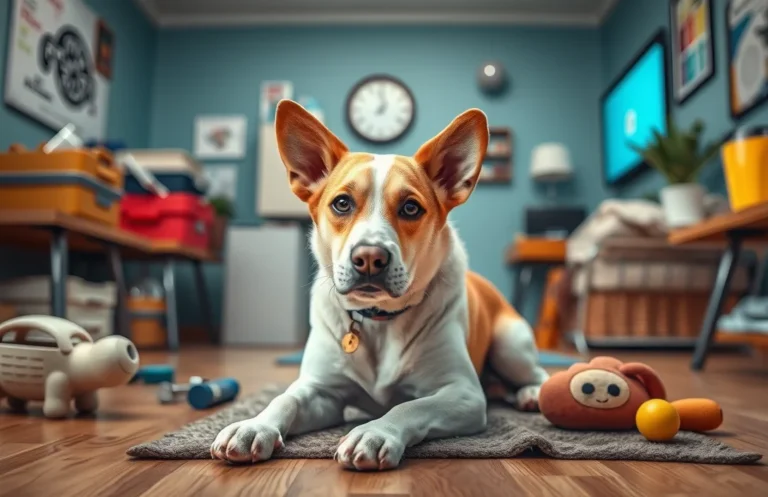
A guardian home is a special arrangement in dog breeding where a dog lives with a family while still being part of a breeding program. This setup is crucial for both breeders and the dogs involved, as it allows for responsible breeding practices while ensuring the dog receives a loving home environment.
- Definition: A guardian home takes in a dog, typically a female, who is intended for breeding. The family cares for the dog as a pet, providing companionship and a nurturing environment.
- Importance for Breeders: This model helps breeders maintain the health and well-being of their breeding dogs without keeping them in a kennel environment. It ensures that the dogs receive socialization, training, and proper care.
- Benefits for Dogs: Living in a family setting allows the dog to thrive emotionally and physically. They enjoy regular exercise, playtime, and the love of a family, which is vital for their overall happiness.
“From my clinical experience, dogs in guardian homes tend to be happier and healthier due to their active family life.”
In a guardian home, the caregiver typically agrees to specific responsibilities, including:
- Providing regular vet check-ups and vaccinations.
- Feeding a balanced diet, tailored to the dog’s needs.
- Ensuring proper training and socialization.
This arrangement not only benefits the dogs but also helps breeders maintain ethical standards in breeding practices. It’s a compassionate approach to breeding that prioritizes the welfare of our furry friends.
Eligibility and Breed Considerations
Understanding which breeds are suitable for guardian home programs is essential for ensuring a successful partnership between the dog and the caregiver. This section will discuss breed-specific traits that make certain dogs more suited for guardian homes, as well as age considerations that are crucial for their well-being.
Breed-Specific Traits
Some breeds are inherently better suited for guardian home programs due to their temperament and physical characteristics. Here are a few examples:
- Working Breeds: Breeds like German Shepherds and Golden Retrievers are often ideal due to their intelligence and trainability.
- Social Breeds: Breeds such as Labrador Retrievers thrive in family environments and enjoy companionship, making them great candidates.
- Brachycephalic Breeds: Bulldogs and Pugs may require special considerations due to their respiratory issues, especially in hot weather.
Age Considerations
The age of the dog can greatly impact their suitability for a guardian home. Here’s what to keep in mind:
| Age Group | Considerations |
|---|---|
| Puppies (0-12 months) | Require socialization and basic training. They may be more adaptable to new environments. |
| Adults (1-7 years) | Generally have established temperaments. Ensure they are well-trained and socialized. |
| Seniors (7+ years) | May require special health considerations. Ensure their comfort and health needs are met. |
Choosing the right breed and age for a guardian home is vital for both the dog’s happiness and the caregiver’s experience. Always consult with a reputable breeder or trainer to make the best decision for your furry friend.
Nutritional Needs of Guardian Dogs
Understanding the nutritional needs of guardian dogs is essential for their health, growth, and overall well-being. Proper nutrition supports their energy levels, coat condition, and reproductive health, which is particularly important in a guardian home setting.
Puppies (0-12 months)
For puppies, a balanced diet is crucial for their development. They require higher protein and fat levels compared to adult dogs.
| Age | Amount | Frequency |
|---|---|---|
| 0-3 months | 1 cup per 5 lbs of body weight | 3-4 times daily |
| 4-6 months | ¾ cup per 5 lbs of body weight | 3 times daily |
| 6-12 months | ½ cup per 5 lbs of body weight | 2-3 times daily |
Adults (1-7 years)
Adult dogs in guardian homes should have a balanced diet that meets their energy needs without leading to obesity.
- Feed high-quality dog food that lists meat as the first ingredient.
- Monitor their weight regularly to prevent obesity.
- Provide fresh water at all times.
Seniors (7+ years)
Senior dogs may require special dietary considerations to support joint health and manage weight.
- Choose senior-specific dog food with lower calories and added joint support.
- Consider feeding smaller, more frequent meals to aid digestion.
“From my clinical experience, a well-balanced diet tailored to your dog’s age and activity level is key to ensuring a happy and healthy life.”
Always consult with your veterinarian regarding specific dietary needs, especially if there are any health concerns. Regular vet visits are essential, particularly for senior dogs, to monitor their health and adjust their diet as needed.
Training for Guardian Home Dogs
Training is a crucial aspect of ensuring a positive experience for both guardian dogs and their caregivers. Proper training helps dogs adapt to their environment and strengthens the bond between the dog and the guardian. Using positive reinforcement techniques can enhance learning and make training enjoyable for your furry friend.
Positive Reinforcement Techniques
Positive reinforcement is a method that encourages desirable behaviors by rewarding them. This approach not only promotes good behavior but also builds trust between you and your dog. Here are some effective techniques:
- Use treats or toys as rewards for good behavior.
- Offer praise and affection when your dog follows commands.
- Be consistent with your cues and rewards to avoid confusion.
Basic Commands
Teaching basic commands is essential for maintaining control and ensuring safety. Start with the following commands, using positive reinforcement to encourage success:
- Sit: Hold a treat above your dog’s nose and move it back; when they sit, reward them.
- Stay: Ask your dog to sit, then open your palm towards them and say “stay.” Reward them for remaining in place.
- Come: Call your dog with a cheerful tone and reward them when they reach you.
“From my clinical experience, most dogs respond well to consistent training and positive reinforcement. It’s the best way to encourage a happy and well-behaved companion.”
For puppies under 6 months, keep training sessions short (5-10 minutes) to maintain their attention. For adult dogs, training should be a regular part of their routine to keep skills sharp. Remember that patience and consistency are key in training your guardian dog.
Health and Wellness for Guardian Dogs
Maintaining the health and wellness of your guardian dog is essential for their happiness and longevity. Understanding the signs of good health and being aware of common warning signs can help you ensure your furry friend is thriving in their guardian home environment.
Signs of Good Health
- Bright, clear eyes without discharge
- Shiny coat free from parasites and mats
- Healthy appetite and appropriate weight for their breed
- Normal energy levels, showing enthusiasm during play and walks
- Regular and firm bowel movements
Common Warning Signs
Being vigilant about your dog’s health can prevent serious issues. Watch for the following signs:
| Symptom | Severity | Action |
|---|---|---|
| Persistent vomiting or diarrhea | Moderate | Monitor and consult a vet if it lasts more than 24 hours |
| Loss of appetite for more than 24 hours | Moderate | Schedule a vet check |
| Excessive scratching or licking | Mild | Check for fleas or skin irritations |
| Signs of pain (whining, limping) | Severe | Contact your vet immediately |
“From my clinical experience, most dogs with mild symptoms respond well to a little extra rest and hydration, but always consult your vet for persistent issues.”
Regular veterinary check-ups are crucial, especially for guardian dogs that may be involved in breeding programs. Schedule a vet visit at least once a year, or more frequently if your dog is showing any concerning symptoms.
Daily Care and Grooming Routine
Establishing a daily care and grooming routine is essential for dogs in guardian homes. This routine ensures that the dogs remain healthy, happy, and well-socialized while fulfilling their responsibilities as part of a breeding program. Proper care not only benefits the dog’s well-being but also supports the breeder’s goals.
Grooming Essentials
- Brush your dog’s coat regularly to prevent matting and remove loose hair.
- Check ears weekly for dirt or wax buildup; clean them with a vet-recommended solution.
- Trim nails every 2-4 weeks, depending on the dog’s activity level.
- Bathing should be done as needed, typically every 1-3 months, using a dog-specific shampoo.
Daily Care Tasks
Daily care tasks are crucial for maintaining your guardian dog’s health and happiness. Here are key activities to incorporate:
- Feeding: Follow an appropriate feeding schedule based on the dog’s age and weight. For example, feed ¼ cup per 5 lbs of body weight, twice daily.
- Exercise: Provide at least 30-60 minutes of physical activity each day, tailored to the breed’s needs.
- Socialization: Engage with your dog and expose them to different environments and people regularly.
“Regular grooming and care not only enhance your dog’s appearance but also strengthen your bond with them.”
By adhering to a consistent daily care and grooming routine, you ensure that your guardian dog remains in optimal condition, paving the way for a successful partnership with the breeder.
Recognizing Vet Visit Necessities
Understanding when to seek veterinary care for your dog in a guardian home situation is crucial for ensuring their health and well-being. Recognizing signs of distress or health issues can help you act quickly, providing your furry friend with the best possible care.
Emergency Situations
In certain emergencies, immediate veterinary attention is essential. Look for these red flags:
- Difficulty breathing – especially in brachycephalic breeds.
- Severe vomiting or diarrhea lasting more than 24 hours.
- Sudden lethargy or unresponsiveness.
- Uncontrolled bleeding or visible injury.
- Signs of pain, such as whining or hiding.
If any of these symptoms arise, do not hesitate to contact your veterinarian or an emergency clinic.
Routine Health Checks
Regular veterinary visits are vital for maintaining your dog’s health. Here’s a general guideline for check-ups:
| Life Stage | Frequency of Vet Visits |
|---|---|
| Puppies (0-12 months) | Every 3-4 weeks for vaccinations |
| Adults (1-7 years) | Annually |
| Seniors (7+ years) | Every 6 months |
Routine check-ups help monitor your dog’s health, update vaccinations, and catch any potential issues early. If you notice any changes in behavior or health, such as reduced appetite or unusual drinking habits, schedule a vet visit promptly.
“Regular veterinary care can help prevent many health issues and ensure your companion lives a long, happy life.”
Quick Summary
- Understanding Guardian Homes: A guardian home provides a loving environment for a breeding dog while ensuring they are not kept in a kennel.
- Key Care Essentials: Regular exercise, socialization, and a nutritious diet are crucial for the dog’s well-being.
- Warning Signs: Unexplained lethargy, vomiting, or changes in appetite necessitate a vet visit.
- Daily Routine Checklist: Ensure daily walks, feeding, training sessions, and playtime are consistently scheduled.
- Age-Specific Tip: Puppies require more socialization and training than adult dogs to ensure good behavior.
| Emergency Contact | Phone Number |
|---|---|
| Veterinarian | [Your Vet’s Number] |
| Poison Hotline | [Poison Control Number] |
Frequently Asked Questions
What is a guardian home for a dog?
A guardian home is a type of living arrangement where a dog is placed with a family that cares for it while allowing the breeder to retain breeding rights. This setup ensures the dog is well-loved and socialized in a home environment.
How does a guardian home differ from a foster home?
In a guardian home, the dog is typically meant for breeding purposes, while a foster home usually provides temporary care for dogs in need of adoption. Guardian homes focus on the dog’s well-being and breeding responsibilities.
What are the responsibilities of a guardian home?
As a guardian home, you are responsible for providing a loving environment, proper training, and regular veterinary care for the dog. Additionally, you must agree to follow the breeder’s guidelines regarding breeding times and care.
Can a guardian home dog be spayed or neutered?
No, a guardian home dog should not be spayed or neutered unless specified by the breeder, as they are intended to be part of a breeding program. Doing so would prevent the dog from fulfilling its role in the guardian home.
How long does a dog usually stay in a guardian home?
A dog can stay in a guardian home until it is no longer suitable for breeding, which can be anywhere from 2 to 5 years depending on the breed and health. After this period, the dog is often adopted by the guardian family or retired from breeding.