7 Reasons Your Cat’s Slitted Eyes Matter: Emotions & Health Insights
As a pet parent, noticing your cat’s eyes appear as slits can be worrying. You want to ensure your furry friend is happy and healthy, and changes in their appearance often raise concerns. It’s completely normal to feel anxious about what this might mean for your beloved companion.
Typically, slitted eyes indicate a relaxed or focused state, but they can also signal discomfort or aggression. If your cat is showing other signs of distress, such as vocalizing or hiding, it may be time to consult your veterinarian.
| Symptom | Normal? | Action Needed | Urgency Level |
|---|---|---|---|
| Slit-like pupils | Yes | Monitor behavior | Low |
| Accompanying signs of pain | No | Visit vet | High |
What Are Slitted Eyes?
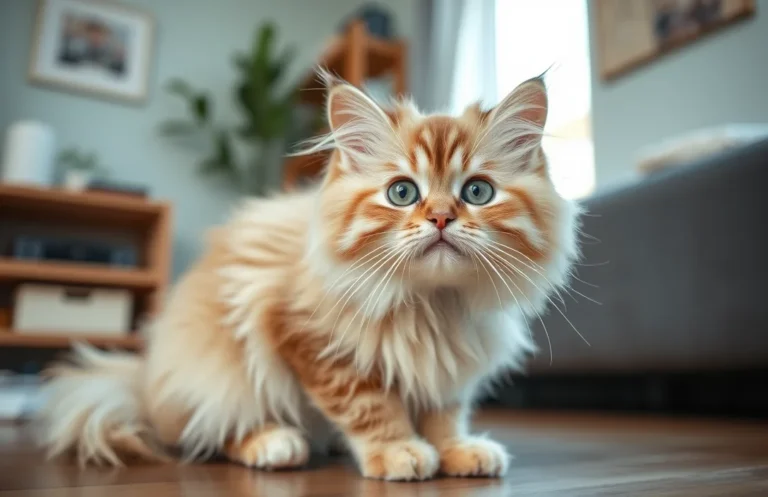
Slitted eyes in cats refer to the narrow, vertical shape of their pupils, which can reveal a lot about their emotional state and overall health. Understanding the significance of this eye shape can help you better care for your feline friend, as it often indicates their comfort level and responses to their environment.
- Definition of Slitted Eyes: Slitted eyes are characterized by pupils that appear elongated and narrow rather than round. This eye shape can be a normal anatomical feature in certain breeds, such as Siamese and other Oriental cats, but can also indicate specific emotional or physiological responses.
- Why Eye Shape Matters: The shape of a cat’s eyes can provide insights into their mood and state of health. For instance, slitted eyes are often observed when a cat feels relaxed or content, as their body is not in a heightened state of alert. Conversely, if a cat’s eyes are wide open, it may signal fear or excitement.
- Normal Variations: It’s important to note that some cats naturally have slitted pupils due to their breed. This is completely normal, and you should consider the overall behavior and body language of your cat to assess their emotional state.
- Health Implications: While slitted eyes can be typical, any sudden change in your cat’s eye shape, especially if accompanied by other symptoms like discharge or redness, may require a vet visit. Schedule a vet check if this persists for more than 48 hours.
Emotional States Reflected
Understanding the emotional states reflected in your cat’s slitted eyes is essential for interpreting their feelings and needs. A cat’s eye position can indicate various emotions, including relaxation, contentment, aggression, or stress. Recognizing these signals can help you respond appropriately to your furry friend.
Relaxation and Contentment
When your cat’s eyes are slits, it often signifies that they are feeling relaxed and content. This is usually paired with other body language cues, such as:
- Softly flicking tail
- Relaxed body posture
- Purring or kneading
These signs indicate that your cat feels safe and comfortable in their environment, allowing them to maintain a calm demeanor.
Signs of Aggression or Stress
Conversely, slitted eyes can also be a warning sign of aggression or stress. In this context, slitted pupils might be accompanied by:
- Raised hackles
- Hissing or growling
- Stiff body posture
If your cat exhibits these behaviors, it’s crucial to give them space and avoid any actions that may escalate the situation.
“From my clinical experience, recognizing your cat’s emotional state through their body language can significantly improve your bond and help prevent misunderstandings.”
Always pay attention to the overall context of your cat’s behavior, and if you notice persistent signs of stress or aggression, consider consulting a veterinarian for guidance. Your cat’s well-being is the priority, and understanding their emotions can help you provide the best care possible.
Breed and Age Impact
Understanding how breed and age can influence your cat’s eye appearance is essential for interpreting their behavior and emotional state. Different breeds exhibit unique characteristics, and age can also affect how a cat’s eyes appear, including the formation of slits.
- Kittens (0-12 months): Kittens often have larger, rounder eyes that may appear to be slits when they are focused or startled. This can be a normal reaction as they are still developing their vision and learning about their environment. If you notice persistent slits in their eyes, a vet visit is recommended to rule out any developmental issues.
- Adult Cats (1-7 years): Adult cats may display slitted pupils when they are in a relaxed state or feeling content. However, if their pupils remain slitted for an extended period, it might indicate stress or discomfort. Observing their behavior and overall health is crucial; if you notice any changes, consult your veterinarian.
- Seniors (7+ years): Older cats may have slitted eyes due to age-related changes in their vision or potential health issues. Regular veterinary check-ups are vital for this age group to monitor eye health and address any concerns early. If your senior cat’s eyes appear consistently slitted along with other symptoms, schedule a vet visit promptly.
- Breed-Specific Behaviors: Some breeds, like Siamese and Burmese, are more prone to expressive eye shapes, including slits. Understanding your cat’s breed traits can help clarify their eye behavior. Always monitor for any signs of discomfort or health problems, regardless of breed.
Health Concerns to Consider
Understanding the reasons behind your cat’s slit-like pupils is crucial, as it can indicate both emotional states and potential health issues. Observing other symptoms alongside this change in eye appearance can help you determine the best course of action for your furry friend.
Pain and Discomfort Indicators
- Injury to the eye: If your cat’s eyes are slitted and accompanied by squinting or excessive tearing, it may indicate an injury. Common causes include scratches or foreign bodies in the eye, which can lead to serious complications if not addressed promptly. Schedule a vet visit if this persists for more than 48 hours.
- Headaches or discomfort: Slit pupils can sometimes signal that your cat is experiencing discomfort, possibly due to a headache or other health issues. Signs may include changes in behavior, such as hiding or being less active. Keep a close eye on your cat, and consult your veterinarian if you notice any concerning changes.
Irritation or Injury Signs
- Allergic reactions: If your cat’s eyes appear slitted and are red or swollen, it may be a sign of an allergic reaction to environmental allergens like pollen or dust. Monitor for additional symptoms such as itching or sneezing, and if these symptoms persist, contact your vet for advice.
- Infections: Conditions such as conjunctivitis can also cause slitted pupils. If you observe discharge from the eyes or signs of excessive squinting, it’s important to visit your vet for a proper diagnosis and treatment plan. Early intervention is key in managing infections effectively.
Behavioral Scenarios
Understanding your cat’s eye behavior can provide valuable insights into their emotional state. Slitted eyes often indicate specific reactions to their environment, particularly during playtime or in response to stressors. Here are some common scenarios to consider.
During Playtime
When engaged in play, a cat’s eyes may narrow into slits, signaling excitement or focus. This behavior showcases their hunting instincts and indicates they are ready to pounce. It’s a normal and healthy expression of their playful nature.
- Excitement: Slitted eyes paired with a twitching tail often indicate your cat is having fun.
- Focus: If your cat is tracking a toy or a movement, slitted eyes can show their concentration.
In Response to Stressors
Conversely, slitted eyes can also indicate stress or discomfort. Understanding the context is crucial, as it can help you address their needs effectively.
- Fear: If your cat’s eyes are slits and they are backing away or hiding, they may feel threatened.
- Aggression: Slitted eyes during a confrontation may signal readiness to defend themselves.
From my clinical experience, observing your cat’s body language alongside their eye shape can help you gauge their emotional well-being.
Always monitor your cat’s behavior closely. If their stress responses persist or escalate, consider consulting your veterinarian for guidance and support.
Health and Wellness Checklist
Understanding your cat’s eye appearance can provide valuable insights into their emotional state and overall health. When your cat’s eyes appear as slits, it can indicate various factors, from relaxation to potential health issues. This checklist will help you assess your cat’s health based on their eye appearance.
Signs of Good Health
- Eyes are bright and clear with no discharge.
- Pupils are equal in size and respond well to light.
- Slit-like pupils may indicate relaxation or contentment, particularly when they are in a familiar environment.
Warning Signs to Note
If your cat’s eyes appear as slits frequently or are accompanied by other symptoms, it’s essential to take note:
- Excessive squinting or blinking.
- Redness or swelling around the eyes.
- Discharge or tearing.
- Behavioral changes like hiding or aggression.
“From my clinical experience, a cat that is normally active but suddenly displays slitted eyes with discomfort should be evaluated by a vet.”
Symptom Severity Table
| Symptom | Normal | Needs Vet Attention |
|---|---|---|
| Eye Appearance | Clear and bright | Slit-like, squinting, or excessive tearing |
| Pupil Size | Equal and responsive | Unequal or unresponsive |
Keep a close watch on your furry friend’s eye health. If any concerning signs persist for more than 48 hours, consider scheduling a vet check to ensure everything is okay.
When to See a Vet
Understanding the significance of your cat’s slit-like pupils is vital for their health and well-being. While this eye change can indicate various emotional states or health issues, certain signs warrant a veterinary visit. Here, we outline both emergency and non-emergency concerns to help you make informed decisions regarding your furry friend’s care.
Emergency Signs
- Pupils remain slitted for more than 48 hours
- Accompanied by other symptoms such as vomiting, lethargy, or loss of appetite
- Signs of pain or discomfort (hiding, excessive grooming)
- Sudden changes in behavior, such as aggression or withdrawal
- Eye discharge, redness, or swelling
Non-Emergency Concerns
If your cat’s pupils are slits but they are otherwise behaving normally, monitor for any changes. Non-urgent signs that may not require immediate veterinary attention include:
- Occasional slit pupils during play or excitement
- Temporary changes due to different lighting conditions
- Behavioral changes linked to stress or environmental factors
“From my clinical experience, if your cat consistently shows signs of discomfort along with pupil changes, it’s best to consult your vet as soon as possible.”
Prioritize your cat’s health by being attentive to their needs. If you’re ever in doubt, a quick call to your veterinarian can provide peace of mind and guidance. Remember, your pet relies on you to recognize when something is amiss.
Quick Summary
- Understanding Slit Pupils: Cats often have slit pupils when they are relaxed, focused, or in bright light.
- Warning Signs: If slits are accompanied by redness, swelling, or discharge, seek veterinary care immediately.
- Daily Observation: Monitor your cat’s eye appearance and behavior for any sudden changes.
- Age-Specific Care: Older cats may be more prone to eye issues; regular vet check-ups are essential.
- Emergency Contacts: Keep your vet’s number and a poison hotline handy for emergencies.
| Contact | Phone Number |
|---|---|
| Veterinarian | [Your Vet’s Number] |
| Poison Hotline | [Poison Control Number] |
Frequently Asked Questions
Is it normal for my cat’s eyes to be slits?
Yes, slit-shaped pupils often indicate that your cat is feeling relaxed or focused, especially in bright light. However, it can also signify stress or excitement, depending on the situation.
When should I take my cat to the vet if its eyes are slits?
You should consult a vet if your cat’s pupils remain slit-shaped for an extended period or if you notice other symptoms like squinting, redness, or discharge. These could indicate a potential eye issue or health concern.
How much should I feed my cat based on its weight/age?
The feeding amount can vary, but generally, an adult cat needs about 20 calories per pound of body weight daily. Kittens require more calories due to their growth and energy levels.
What human foods are safe or dangerous for my cat?
Safe foods include small amounts of cooked chicken and fish, while dangerous foods include onions, garlic, chocolate, and grapes, which can be toxic to cats. Always consult your vet before introducing new foods.
How do I stop my cat from excessive meowing?
You can address excessive meowing by ensuring your cat’s needs are met, including playtime, food, and attention. If the behavior persists, consider consulting a vet or a behaviorist for further guidance.