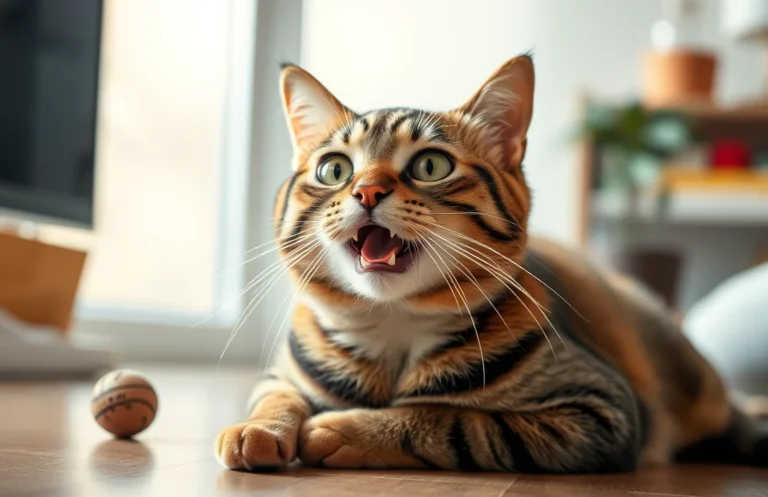
Labored Breathing in Cats: 7 Signs, Causes, and Vet Advice
As a pet parent, noticing labored breathing in your cat can be worrying. It’s completely understandable to feel anxious about your furry friend’s health. Recognizing these signs early can make a significant difference in their well-being, and I’m here to help you understand what to look for.
Labored breathing often indicates a serious issue that requires your attention. It can stem from various underlying health problems, so monitoring your cat closely is essential. If you observe this symptom, contact your veterinarian promptly to assess the situation.
| Symptom | Normal? | Action Needed | Urgency Level |
|---|---|---|---|
| Labored breathing | No | Contact vet | High |
| Rapid breathing | No | Monitor closely | Medium |
| Open-mouth breathing | No | Immediate vet visit | High |
What is Labored Breathing?
Labored breathing in cats, also known as dyspnea, is a condition where your cat is experiencing difficulty in breathing. This is a significant health concern that can indicate underlying respiratory or cardiovascular issues. Recognizing the signs of labored breathing can be crucial for ensuring your furry friend’s well-being and timely veterinary care.
- Visible Strain: You may notice your cat’s abdomen and chest moving more than usual as they struggle to breathe. Their sides may appear to heave, and you might also see their nostrils flaring.
- Abnormal Sounds: Listen for wheezing, coughing, or unusual noises as your cat breathes. These sounds can suggest blockages or irritations in the airways.
- Posture Changes: Cats may adopt unusual positions, such as standing with their neck extended or sitting with their front legs spread apart. This posture can help them breathe more effectively.
- Increased Respiratory Rate: A normal resting respiratory rate for cats is about 20-30 breaths per minute. If you notice your cat breathing faster than this, it may indicate distress.
- Behavioral Changes: Watch for signs of anxiety or lethargy. Your cat may become less active, hide, or show reluctance to engage in normal activities.
“If you notice any of these signs, it’s essential to schedule a vet check as soon as possible.”
Age and Breed Factors
Understanding how age and breed impact labored breathing in cats is crucial for recognizing potential health issues. Kittens, adult cats, and senior cats may exhibit different signs, and certain breeds can be predisposed to respiratory challenges.
-
Kittens vs Adults
Kittens (0-12 months) may show signs of labored breathing as a result of infections or congenital issues. They can exhibit rapid breathing, grunting, or a noticeable struggle to inhale and exhale. Adult cats (1-7 years) typically have stronger respiratory systems but may show similar signs if they experience stress, allergies, or respiratory infections.
-
Senior Cats
Senior cats (7+ years) are more susceptible to conditions like asthma, heart disease, or lung disease, which can lead to labored breathing. You may observe slower, more pronounced breaths, increased respiratory effort, or even lethargy alongside their breathing issues. It’s essential to monitor these signs closely, as they could indicate a serious health concern.
-
Breed-Specific Considerations
Certain breeds are particularly prone to respiratory problems. For example, brachycephalic breeds (like Persians and Himalayans) often show labored breathing due to their short nasal passages. Owners should be vigilant for any signs of distress in these breeds, as even slight exertion can worsen their condition.
Symptoms of Labored Breathing
Understanding the symptoms of labored breathing in cats is essential for ensuring their health and well-being. Recognizing these signs can help you determine when it’s time to seek veterinary care for your furry friend. Below is a comprehensive list of visual and auditory indicators, along with behavioral changes that may signal difficulty in breathing.
- Exaggerated Chest Movement: You may notice that your cat’s chest visibly rises and falls more than usual, indicating they are working harder to breathe.
- Open-Mouthed Breathing: Cats typically breathe through their noses. If you see your cat breathing with their mouth open, this is a concerning sign of respiratory distress.
- Labored or Wheezing Sounds: Listen for any unusual sounds like wheezing, rattling, or a deep, harsh cough. These sounds can indicate underlying respiratory issues.
- Blue-tinged Gums or Tongue: A bluish coloration to your cat’s gums or tongue can indicate insufficient oxygen and is a serious symptom requiring immediate veterinary attention.
- Restlessness or Agitation: Cats may pace, change positions frequently, or show signs of distress. They might also avoid lying down as they struggle to find a comfortable breathing position.
- Decreased Activity Level: A noticeable decrease in energy or willingness to engage in normal activities can be a red flag that your cat is experiencing breathing difficulties.
From my clinical experience, if your cat shows any of these symptoms, it’s crucial to monitor their condition closely and seek veterinary assistance if the symptoms persist for more than 48 hours.
Potential Health Issues
Understanding the potential health issues that can lead to labored breathing in cats is essential for ensuring their well-being. Various respiratory diseases, heart conditions, and environmental factors can significantly affect your feline friend’s ability to breathe comfortably.
- Common Respiratory Diseases: Conditions such as asthma, pneumonia, and bronchitis can cause inflammation and obstruction in the airways, leading to difficulty in breathing. Signs may include wheezing, coughing, or open-mouth breathing.
- Heart Conditions: Heart disease, including congestive heart failure, can result in fluid buildup in the lungs, making it harder for your cat to breathe. Symptoms often include lethargy, coughing, and an increased heart rate.
- Environmental Factors: Allergens, smoke, or other irritants in the environment can exacerbate breathing issues. If your cat is exposed to secondhand smoke or strong odors, it may show signs of distress, such as rapid breathing or vocalization.
Schedule a vet check if labored breathing persists for more than 48 hours to rule out serious conditions.
Monitoring at Home
Observing your cat’s breathing patterns closely is crucial for early detection of any potential health issues. By tracking their breathing, you can help differentiate between normal and labored breathing, ensuring your furry companion receives the care they need.
- How to Observe Breathing Patterns: Start by observing your cat in a calm environment. Count the number of breaths they take in a minute while they are resting. A normal respiratory rate for cats is typically between 20 to 30 breaths per minute. Note any signs of effort, such as open-mouth breathing or excessive chest movement.
- Recording Symptoms: Keep a log of any unusual behaviors or changes in breathing. Document when you notice difficulty in breathing, any accompanying symptoms like coughing or lethargy, and the duration of these episodes. This information will be invaluable for your veterinarian if a visit is needed.
- When to Take Action: If you observe signs of labored breathing, such as prolonged wheezing, shallow breaths, or rapid breathing, it’s essential to monitor your cat closely. If symptoms persist for more than 48 hours or worsen, contact your veterinarian immediately for guidance.
When to See a Vet
Recognizing when labored breathing in your cat requires veterinary attention is crucial for their health and well-being. Certain signs indicate that immediate intervention is necessary, while others may call for follow-up care. Here’s what to look for.
Red Flags for Immediate Attention
- Open-mouth breathing: If your cat is breathing with its mouth open, this is a sign of severe distress and requires immediate veterinary care.
- Rapid breathing: A respiratory rate exceeding 40 breaths per minute while resting is concerning and should prompt a vet visit.
- Cyanosis: If your cat’s gums or tongue appear blue or purple, it’s an emergency situation that requires urgent medical attention.
Emergency Signs
- Straining to breathe: If your cat is visibly struggling to take in air, this is a critical sign that they need veterinary assistance right away.
- Excessive coughing: Frequent coughing, especially if it is accompanied by wheezing or choking sounds, should be evaluated by a vet as soon as possible.
- Weakness or lethargy: If your normally active cat is unusually tired or weak, especially when combined with breathing difficulties, a vet visit is necessary.
Follow-Up Care
- Ongoing symptoms: If labored breathing persists for more than 48 hours, it’s essential to have your cat examined by a vet, even if they seem stable.
- Recent illness or trauma: If your cat has experienced any recent health issues or injuries along with labored breathing, schedule a vet visit to assess their overall condition.
Common Owner Questions
This section addresses common questions pet owners have regarding labored breathing in cats, including potential causes, home management strategies, and available treatments. Understanding these aspects is crucial for ensuring your cat receives appropriate care and support.
What Causes Labored Breathing?
- Obstructive airway diseases (e.g., asthma or bronchitis)
- Pneumonia or lung infections
- Heart disease or heartworm disease
- Trauma or injury affecting the chest
- Obesity, which can strain respiratory function
Can Labored Breathing Be Managed at Home?
While some cases may require immediate veterinary attention, certain scenarios can be managed at home under specific conditions:
- Ensure your cat is in a calm, quiet environment.
- Monitor their breathing rate and pattern closely.
- Keep your cat cool—excess heat can exacerbate breathing issues.
- Avoid any stressors that may trigger anxiety or panic.
However, if labored breathing persists for more than 48 hours or worsens, a vet visit is essential.
What Treatments Are Available?
| Treatment Type | Description |
|---|---|
| Medications | Anti-inflammatory drugs, bronchodilators, or antibiotics as prescribed. |
| Oxygen Therapy | Providing supplemental oxygen in severe cases. |
| Weight Management | Weight loss programs for obese cats may help improve breathing. |
“From my clinical experience, early intervention and proper management can significantly improve your cat’s quality of life.”
Quick Summary
- Identify labored breathing: Look for rapid, shallow breaths, open-mouth breathing, or prolonged exhalation.
- Warning signs for vet visit: Persistent labored breathing, bluish gums, or extreme lethargy.
- Daily routine checklist: Monitor breathing patterns, check for coughing, and assess overall activity levels.
- Age-specific tip: Senior cats are more prone to respiratory issues; keep an eye on any changes in breathing.
- Emergency contact reminder: Have your vet’s number and a poison hotline readily available.
| Condition | Action |
|---|---|
| Labored Breathing | Contact your vet immediately |
| Normal Breathing | Continue monitoring |
Frequently Asked Questions
Is labored breathing in cats normal?
No, labored breathing is not normal in cats and typically indicates a health issue. You can observe signs like rapid breathing, open-mouth breathing, or unusual postures while trying to breathe.
When should I take my cat to the vet for labored breathing?
You should take your cat to the vet immediately if you notice labored breathing lasting more than a few minutes. Prompt veterinary attention is crucial as it can indicate serious underlying conditions.
How can I tell if my cat is in respiratory distress?
Signs of respiratory distress include increased effort to breathe, wheezing, or blue-tinged gums. If you observe these symptoms, it’s important to seek veterinary care right away.
What should I do if my cat is breathing heavily after exercise?
While some heavy breathing can be normal after vigorous play, it should return to normal within a few minutes. If it persists or is accompanied by other symptoms, consult your veterinarian.
How can I help my cat if they have labored breathing at home?
Keep your cat calm and in a cool, quiet environment to help ease their breathing. However, do not delay seeking veterinary care if symptoms do not improve quickly.