20 Grain Free Cat Food | Healthier Nutrition for Happy, Active Cats
Grain-free cat food has become increasingly popular among pet owners who want to feed their cats a more natural, protein-focused diet. Because cats are obligate carnivores, their bodies are designed to digest animal protein—not grains. Choosing the right grain-free cat food can support digestion, reduce food sensitivities, and improve coat and energy levels.
This guide explores 20 high-quality grain-free cat food options, explains their benefits, and helps you decide whether grain-free nutrition is right for your cat.
What Is Grain-Free Cat Food?
Grain-free cat food is formulated without wheat, corn, rice, barley, or oats. Instead, it uses animal proteins and alternative carbohydrate sources such as:
-
Sweet potatoes
-
Peas
-
Lentils
-
Chickpeas
Semantic entities: feline nutrition, obligate carnivore, cat digestive system, high-protein cat food
Benefits of Grain-Free Cat Food:
Grain-free diets may offer several advantages:
-
Improved digestion
-
Reduced food allergies and sensitivities
-
Healthier skin and shinier coat
-
Better weight management
-
Higher protein intake
⚠️ Note: Grain-free does not automatically mean better. Quality protein sources matter most.
20 Grain Free Cat Food:
1. Grain-Free Chicken Cat Food
Chicken is one of the most digestible animal proteins for cats.
Why it’s popular:
-
High biological value protein
-
Supports muscle maintenance
-
Easy to digest
Ideal for kittens and adult cats.
2. Grain-Free Salmon Cat Food
Salmon is rich in omega-3 fatty acids.
Health benefits:
-
Supports skin and coat
-
Reduces inflammation
-
Improves joint health
Great for cats with dry skin or shedding issues.
3. Grain-Free Turkey Cat Food
Turkey is lean and gentle on the stomach.
Best for:
-
Weight management
-
Sensitive digestion
-
Indoor cats
Often used in limited-ingredient diets.
4. Grain-Free Duck Cat Food
Duck is a novel protein option.
Why choose duck:
-
Ideal for cats with chicken allergies
-
High energy content
-
Rich flavor cats love
5. Grain-Free Beef Cat Food
Beef provides iron and essential amino acids.
Supports:
-
Muscle strength
-
Energy levels
-
Healthy red blood cells
Best served in moderation due to richness.
6. Grain-Free Lamb Cat Food
Lamb is another novel protein source.
Ideal for:
-
Food-sensitive cats
-
Protein rotation diets
High in zinc and vitamin B12.
7. Grain-Free White Fish Cat Food
White fish is light and low in fat.
Best for:
-
Senior cats
-
Overweight cats
-
Cats with digestive issues
8. Grain-Free Tuna Cat Food
Highly palatable and protein-rich.
Important note:
Feed tuna-based formulas occasionally to avoid mercury buildup.
9. Grain-Free Wet Cat Food (Pâté Style)
Wet food closely mimics a cat’s natural prey diet.
Advantages:
-
High moisture content
-
Supports urinary health
-
Easy to chew
Excellent for hydration.
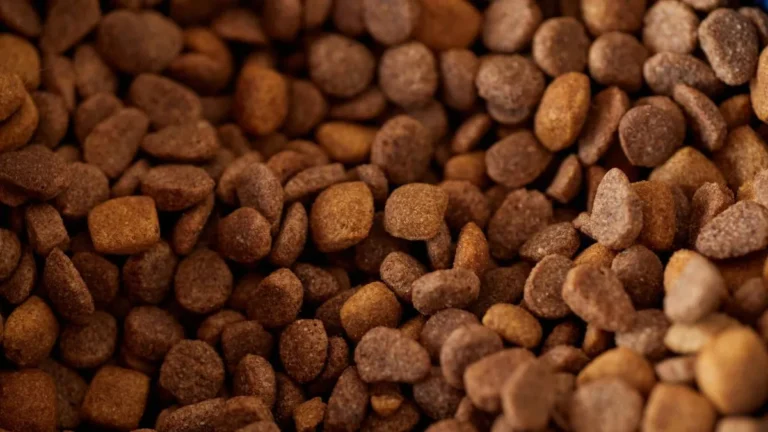
10. Grain-Free Dry Cat Food (High Protein)
Dry grain-free kibble can be convenient.
Look for:
-
Real meat as first ingredient
-
Minimal fillers
-
Added taurine
Combine with wet food for balance.
11. Grain-Free Limited Ingredient Cat Food
Designed for cats with allergies.
Benefits:
-
Fewer ingredients
-
Reduced reaction risk
-
Clear protein sources
Vet-recommended for food sensitivities.
12. Grain-Free Kitten Cat Food
Kittens require extra protein and fat.
Supports:
-
Growth and development
-
Brain and vision health
Must be AAFCO-approved for kittens.
13. Grain-Free Senior Cat Food
Formulated for aging cats.
Key features:
-
Lower phosphorus
-
Joint support nutrients
-
Easy digestion
Ideal for cats over 7 years old.
14. Grain-Free Indoor Cat Food
Indoor cats need fewer calories.
Benefits:
-
Weight control
-
Hairball reduction
-
Digestive support
Perfect for low-activity lifestyles.
15. Grain-Free Raw Cat Food (Commercial)
Raw diets mimic ancestral feeding.
Pros:
-
High protein
-
Minimal processing
Cons:
Requires strict food safety and vet guidance.
16. Grain-Free Freeze-Dried Cat Food
Lightweight and nutrient-dense.
Why cat owners love it:
-
Long shelf life
-
Minimal additives
-
High palatability
Rehydrate before feeding.
17. Grain-Free Organic Cat Food
Made with certified organic ingredients.
Advantages:
-
No artificial preservatives
-
Ethically sourced proteins
Often premium priced but high quality.
18. Grain-Free High-Protein Cat Food
Ideal for active or outdoor cats.
Supports:
-
Lean muscle mass
-
Energy demands
Protein should exceed 40% on a dry matter basis.
19. Grain-Free Hypoallergenic Cat Food
Specially formulated for allergies.
Common protein sources:
-
Duck
-
Rabbit
-
Venison
Often recommended by veterinarians.
20. Homemade Grain-Free Cat Food (Vet-Approved)
Homemade diets can be grain-free when balanced correctly.
Must include:
-
Taurine
-
Calcium
-
Essential fatty acids
Always consult a vet or pet nutritionist.
Is Grain-Free Cat Food Better for All Cats?
Not necessarily.
Grain-free is helpful if your cat has:
-
Grain allergies
-
Digestive issues
-
Skin problems
However, healthy cats can digest grains in small amounts.
Read Next: 100 Types Dog Breed | Complete Guide for Dog Lovers
How to Choose the Best Grain-Free Cat Food?
Look for:
-
Named animal protein as the first ingredient
-
Taurine supplementation
-
No artificial colors or preservatives
-
AAFCO nutritional adequacy statement
Avoid foods with excessive plant fillers.
Feeding Tips for Grain-Free Diets:
-
Transition slowly over 7–10 days
-
Monitor stool quality and energy
-
Combine wet and dry foods
-
Provide constant access to water
Common Myths About Grain-Free Cat Food:
Myth: Grain-free equals carb-free
Fact: Some grain-free foods still contain carbohydrates.
Myth: Grain-free prevents all allergies
Fact: Protein sources usually cause allergies, not grains.
FAQs:
Is grain-free cat food safe?
Yes, when properly balanced and AAFCO-approved.
Do vets recommend grain-free diets?
Vets recommend grain-free only when medically necessary.
Can kittens eat grain-free food?
Yes, if it’s specifically formulated for kittens.
Does grain-free cat food help with hairballs?
Yes, many formulas include fiber alternatives for hairball control.
Final Thoughts:
Choosing the right grain-free cat food can improve digestion, reduce sensitivities, and support your cat’s natural carnivorous needs. The key is quality protein, balanced nutrients, and proper portion control.
Whether you select wet, dry, raw, or freeze-dried options, grain-free cat food works best when chosen thoughtfully and tailored to your cat’s age, health, and lifestyle.