Feed Dog Once A Day Morning Or Evening | Best Time Explained
Feeding routines play a major role in a dog’s health, behavior, and daily energy levels. While most veterinarians recommend feeding adult dogs twice a day, some owners choose a once-a-day feeding schedule due to convenience or personal preference. This naturally leads to an important question: if you Feed Dog Once A Day Morning Or Evening?
There is no universal answer that works for every dog, but the timing of that single meal can influence digestion, behavior, sleep quality, and even long-term health.
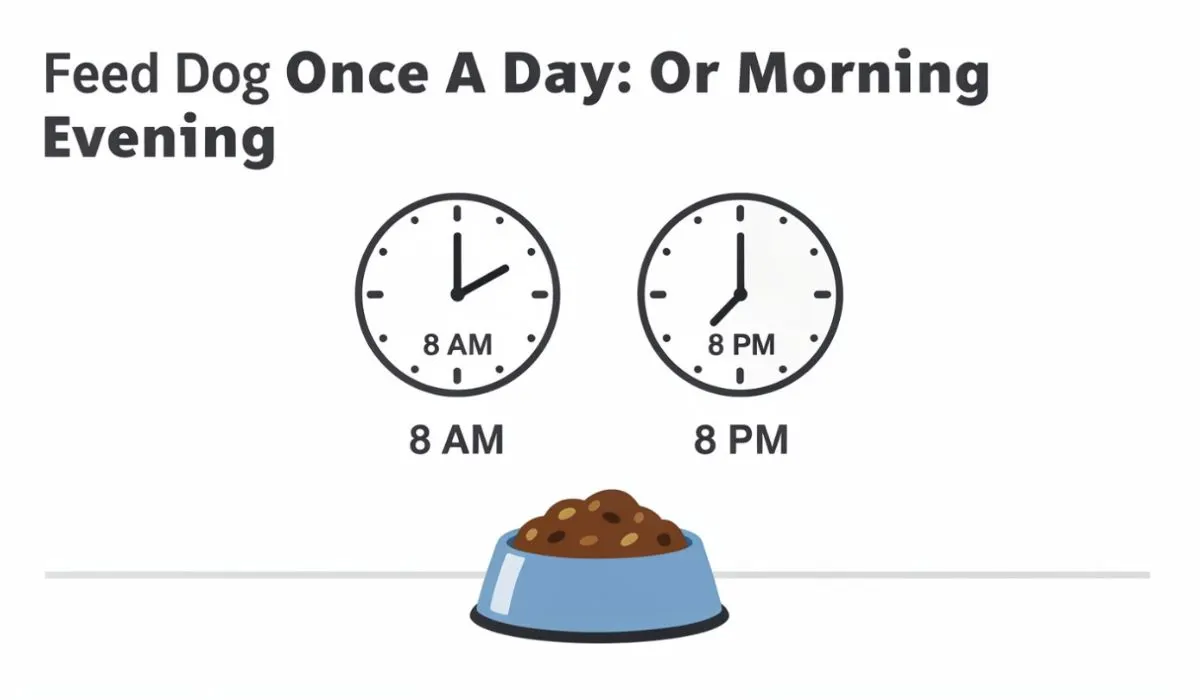
Once-a-Day Feeding First:
Before choosing morning or evening, it’s important to understand what once-a-day feeding means.
Instead of dividing food into two meals, your dog receives:
- One full daily portion of food
- At a consistent time each day
This approach is generally only suitable for:
- Healthy adult dogs
- Dogs with stable weight
- Dogs without digestive or metabolic issues
It is not recommended for puppies, senior dogs with health problems, diabetic dogs, or dogs prone to hypoglycemia.
Why Meal Timing Matters for Dogs:
Dogs have internal biological rhythms (circadian rhythms), just like humans. These rhythms influence:
- Digestion speed
- Energy levels
- Hormone release
- Sleep patterns
- Hunger cycles
So when you feed your dog once a day, the timing of that meal can affect how they feel throughout the entire day or night.
Feeding Your Dog in the Morning:
Feeding your dog in the morning means they eat their full daily meal shortly after waking up.
Pros of Morning Feeding
1. Better Energy Distribution During the Day
Many dogs are more active during daylight hours. Feeding in the morning provides:
- Energy for daytime activity
- Fuel for walks and play
- Better alignment with natural activity cycles
Dogs often digest food and then move around more during the day, which can support better metabolism in some cases.
2. Reduced Nighttime Hunger
After a morning meal, dogs typically settle as the day progresses. By nighttime:
- They are less focused on food
- They may sleep more peacefully
- Begging behavior in the evening may be reduced
This can be helpful for owners who want quiet evenings.
3. Easier Monitoring of Digestive Issues
If something goes wrong (like vomiting or diarrhea), it happens during the day when:
- You are more likely to notice it
- Veterinary help is more accessible
4. Better Routine Alignment for Early Risers
If you wake up early for work, morning feeding fits naturally into your schedule.
Cons of Morning Feeding:
1. Long Hunger Gap Overnight
After morning feeding, the dog may go:
- Many hours without food overnight
- Which can cause mild hunger or restlessness in some dogs
2. Possible Midday Energy Dip
Some dogs may feel:
- Lower energy in the afternoon
- Increased hunger later in the day
3. Begging Behavior in the Evening
Even though dogs adapt, some may still expect food at night due to habit.
Option 2: Feeding Your Dog in the Evening
Evening feeding means the dog receives their full daily meal later in the day, often after the owner returns from work.
Pros of Evening Feeding
1. Helps Dogs Stay Calm During the Night
A full stomach can make dogs:
- More relaxed
- Less restless
- More likely to sleep through the night
This can be especially helpful for anxious dogs.
2. Fits Better With Work Schedules
For many owners, evenings are the most consistent time to be home.
Benefits include:
- More time to feed calmly
- Ability to monitor eating behavior
- More bonding time
3. Reduces Nighttime Anxiety in Some Dogs
Some dogs feel more secure after eating and settle more easily for sleep.
4. Useful for Dogs With Evening Energy Spikes
Some dogs become more active in the evening. Feeding after activity helps:
- Calm them down
- Encourage rest
Cons of Evening Feeding:
1. Risk of Nighttime Discomfort
Some dogs may experience:
- Full stomach before sleeping
- Slower digestion overnight
- Mild discomfort if they eat too fast
2. Less Monitoring of Health Issues
If a dog becomes sick after an evening meal:
- You may not notice until the next morning
- Veterinary care may be delayed
3. Reduced Morning Energy for Active Dogs
Some dogs may feel:
- Slight sluggishness in the morning
- Less motivation for early walks
Read More: Can I Leave A Puppy Home Alone
Morning vs Evening: Which Is Better?
There is no single correct answer. The best choice depends on your dog’s:
- Age
- Activity level
- Digestive health
- Anxiety levels
- Your daily schedule
However, general patterns do exist:
Morning feeding may be better for:
- Highly active dogs
- Dogs who need daytime energy
- Owners who work from home or monitor pets during the day
Evening feeding may be better for:
- Anxious dogs
- Dogs who need help settling at night
- Owners with busy mornings
What Most Veterinarians Recommend:
Most veterinarians still recommend:
Two meals per day (morning and evening)
This is because it:
- Supports steady digestion
- Reduces hunger stress
- Maintains stable energy levels
- Helps prevent overeating
Once-a-day feeding is sometimes acceptable, but not the first choice for most dogs.
Important Health Considerations:
Before choosing morning or evening feeding, consider:
1. Risk of Bloating
Large single meals can increase risk of digestive issues in some breeds, especially:
- Large breeds
- Deep-chested dogs
2. Blood Sugar Stability
Dogs with metabolic issues should not follow once-a-day feeding without veterinary advice.
3. Weight Management
Feeding time does not replace calorie control. Weight depends on:
- Total food amount
- Activity level
- Metabolism
4. Behavioral Impact
Meal timing can influence:
- Begging habits
- Anxiety
- Routine dependence
How to Choose the Right Feeding Time:
Ask yourself:
1. When is my dog most active?
Morning feeding supports daytime activity; evening feeding supports nighttime calm.
2. When am I available?
Consistency is more important than timing.
3. Does my dog show anxiety or hunger issues?
Sensitive dogs may need more structured feeding plans.
4. What does my vet recommend?
Always prioritize professional advice for your dog’s specific needs.
Tips for Once-a-Day Feeding Success:
If you choose morning or evening feeding, follow these tips:
- Feed at the same time every day
- Avoid sudden diet changes
- Use slow feeders for fast eaters
- Provide fresh water at all times
- Monitor weight regularly
- Watch for behavioral changes
Final Thoughts:
So, should you feed your dog once a day in the morning or evening?
Both options can work for certain healthy adult dogs, but neither is universally better. Morning feeding supports daytime energy and monitoring, while evening feeding can promote relaxation and fit better into busy schedules.
However, the most important factor is not the exact timing—it is consistency, portion control, and your dog’s individual needs.
If you are unsure, or if your dog has any health concerns, the safest choice is always to consult a veterinarian. And remember, many dogs do best with two balanced meals per day, which naturally reduces the challenges of choosing between morning and evening feeding altogether.
FAQs:
1. Is it better to feed a dog once a day in the morning or evening?
There is no universal “best” option. Morning feeding supports daytime energy and monitoring, while evening feeding may help dogs relax at night. It depends on your dog’s routine and needs.
2. Can I switch between morning and evening feeding?
It’s not recommended to switch frequently. Dogs do best with a consistent schedule, as routine helps digestion and behavior stability.
3. Does feeding in the morning give dogs more energy?
Yes, for many dogs, a morning meal provides fuel for daytime activity, walks, and play.
4. Does evening feeding help dogs sleep better?
In some dogs, yes. A full stomach can make them feel calm and more relaxed before bedtime.
5. Is once-a-day feeding safe for all dogs?
No. It is not suitable for puppies, senior dogs with health issues, diabetic dogs, or dogs with sensitive digestion unless a vet approves it.
6. What are the risks of feeding a dog once a day?
Possible risks include hunger discomfort, digestive issues, increased risk of bloating in some breeds, and behavioral changes.
7. What time should I feed my dog if I only feed once a day?
Choose a time you can maintain daily—either morning or evening—and stick to it consistently for best results.
8. Should I ask a vet before switching to once-a-day feeding?
Yes. A veterinarian can help determine if your dog’s age, breed, and health condition make once-a-day feeding safe.