Rabbit Winter Care: 7 Tips for Health and Behavior Adaptation
You want to ensure they are comfortable and healthy as temperatures drop, and it’s perfectly normal to have questions about how to care for them during this chilly season.
Rabbits have unique ways of adapting to winter. They typically engage in behaviors like foraging and burrowing to stay warm. While these behaviors are normal, it’s crucial to monitor your rabbit’s health closely. If you notice any concerning signs, don’t hesitate to call your vet.
| Symptom | Normal? | Action Needed | Urgency Level |
|---|---|---|---|
| Hiding or burrowing | Yes | Observe | Low |
| Loss of appetite | No | Check with vet | High |
| Excessive shivering | No | Warm up & vet | Critical |
In the following sections, you’ll find practical tips on keeping your rabbit warm, dietary recommendations for the winter, and ways to monitor their health. Let’s keep your furry friend happy and safe!
Winter Behavior of Wild Rabbits
Understanding how wild rabbits adapt to winter is crucial for appreciating their resilience and survival strategies. In this section, we will explore their foraging techniques and burrowing habits that help them thrive in colder months.
Foraging Techniques
- During winter, wild rabbits rely on their keen sense of smell to locate food hidden beneath snow. They often dig through snow to find grasses, twigs, and bark, which are essential components of their diet in colder seasons.
- Rabbits also adapt their foraging behavior by being more active during twilight hours. This strategy helps them avoid predators while maximizing their chances to find food sources that may not be available during daylight.
Burrowing Habits
- Wild rabbits create complex burrow systems, known as warrens, where they seek shelter from the harsh winter weather. These burrows help maintain a stable temperature and provide protection from predators.
- Inside their burrows, rabbits will often stockpile food, ensuring they have access to nourishment during particularly cold or snowy days when foraging is challenging.
Breed Variations in Cold Weather
Understanding how different rabbit breeds and ages respond to winter conditions is essential for their well-being. Rabbits have unique adaptations based on their size and life stage, affecting their behavior, care requirements, and dietary needs during colder months.
-
Small Breeds vs. Large Breeds
Small breeds, like the Netherland Dwarf or Holland Lop, may struggle more with cold temperatures due to their lower body mass. It’s crucial to provide them with extra bedding and a cozy, insulated space to help them retain body heat. On the other hand, larger breeds such as the Flemish Giant generally have more body fat and fur, which can help them withstand colder weather better, but they still need a warm and dry shelter.
-
Young vs. Senior Rabbits
Young rabbits, especially those under 6 months, are usually more resilient as their metabolism is higher, allowing them to generate warmth. However, they still require a secure environment to protect them from extreme cold. Senior rabbits, over 7 years old, can be more vulnerable to temperature changes and may have decreased mobility or health issues. Ensure they have a warm, draft-free area to rest, and monitor their behavior closely for signs of discomfort.
Winter Nutrition Needs
During the winter months, your rabbit’s dietary needs may change to help them maintain their energy levels and stay warm. It’s essential to provide a balanced diet that supports their health and well-being during this colder season.
Recommended Foods
When selecting foods for your rabbit in winter, focus on high-fiber options that are crucial for their digestive health. Here are some recommended foods:
- Fresh hay (timothy hay, orchard grass) – unlimited supply
- Leafy greens (romaine lettuce, kale) – 1 cup per 2 lbs of body weight daily
- Pellets (high-fiber, low-calcium) – ¼ cup per 5 lbs of body weight, twice daily
- Fresh vegetables (carrots, bell peppers) – in moderation, about 1-2 tablespoons per day
Supplements for Winter
In addition to their regular diet, consider these supplements to boost your rabbit’s nutrition during the winter:
- Vitamin C – necessary if your rabbit is not getting enough from fresh vegetables
- Probiotics – can support digestive health during dietary changes
“Keeping your rabbit well-hydrated is crucial. Ensure fresh water is always available, and consider providing a water bowl instead of a bottle, as they tend to drink more from bowls.”
Toxic Foods to Avoid
Be cautious with some foods that can be harmful to your rabbit:
- Avocado – highly toxic, call your vet immediately if ingested
- Chocolate – dangerous to rabbits, contact your vet right away
Consult your veterinarian if you notice any changes in appetite or behavior, or if you have concerns about your rabbit’s dietary needs during winter. Regular check-ups can help ensure your furry friend stays healthy and happy through the colder months.
Behavioral Adjustments in Winter
During winter, pet rabbits can exhibit notable behavioral changes as they adapt to the colder environment. Understanding these adjustments is essential for providing appropriate care and ensuring your furry friend remains happy and comfortable throughout the season.
Increased Burrowing
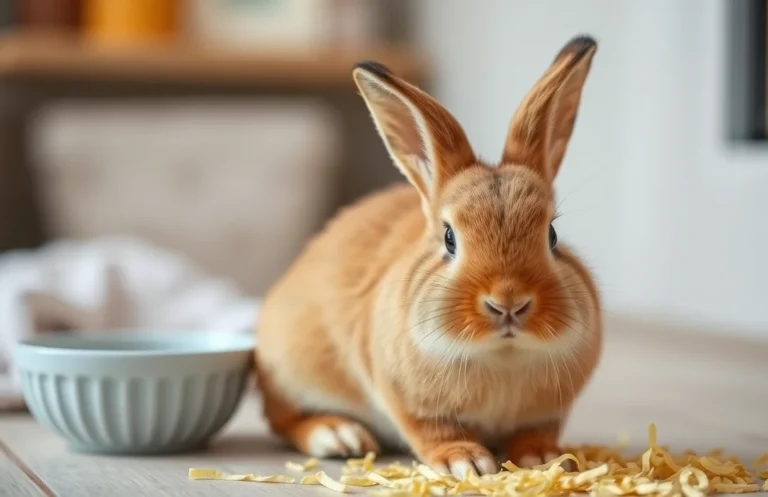
As temperatures drop, rabbits may engage in more burrowing behavior. This instinctual action helps them create cozy spaces and retain warmth. Observing your rabbit’s burrowing habits can provide insights into their comfort level.
- Encourage burrowing by providing safe bedding materials like shredded paper or hay.
- Monitor their burrowing area to ensure they are not digging into unsafe spaces or materials.
Change in Activity Levels
Winter often leads to changes in your rabbit’s activity levels. Some rabbits may become less active, preferring to stay in their warm burrows, while others may still enjoy playtime indoors.
- Engage your rabbit with toys that promote mental stimulation, such as puzzle feeders.
- Provide safe spaces for them to explore while keeping them warm.
“Rabbits can be sensitive to changes in their environment, so maintaining a consistent routine can help them feel secure during the winter months.”
Health Monitoring in the Cold
Monitoring your rabbit’s health during the winter months is crucial, as cold weather can exacerbate certain health issues. Keeping an eye on their well-being will help ensure that your furry friend remains happy and healthy throughout the season.
Signs of Good Health
When your rabbit is healthy, you should observe the following signs:
- Bright, clear eyes
- Good appetite and regular eating habits
- Normal, dry fur without excessive shedding
- Active and playful behavior
- Regular and normal droppings
Warning Signs to Look For
Be vigilant for any signs of distress or illness, which can indicate that your rabbit may need veterinary attention:
- Loss of appetite or refusal to eat
- Abnormal droppings (diarrhea or hard, dry feces)
- Unusual lethargy or decreased activity
- Cold ears or paws, indicating potential hypothermia
- Excessive grooming or fur loss
From my clinical experience, if these symptoms persist for more than 24 hours, it’s best to schedule a vet check to ensure your rabbit’s health.
| Symptoms | Normal | Vet Visit Needed |
|---|---|---|
| Appetite | Eats normally | Refuses food for over 24 hours |
| Droppings | Regular droppings | Diarrhea or no droppings for 12 hours |
| Behavior | Active and alert | Unresponsive or hiding excessively |
By carefully monitoring these health indicators, you can help ensure that your rabbit thrives in the colder months. If any concerning symptoms arise, please consult your veterinarian for the best course of action.
Grooming and Hygiene in Winter
During the winter months, maintaining your rabbit’s grooming and hygiene becomes essential for their overall health and comfort. As rabbits adapt to colder weather, their fur may require more attention to prevent matting and ensure proper insulation. Regular grooming helps to keep their coat healthy while also minimizing the risk of skin issues.
Regular Grooming Tips
- Brush your rabbit at least once a week to remove loose fur and prevent matting.
- Use a soft-bristled brush or a grooming glove that is gentle on their skin.
- Pay special attention to areas that tend to mat easily, such as behind the ears and under the chin.
- Avoid bathing your rabbit; instead, focus on spot cleaning any dirty areas with a damp cloth.
Hygiene Considerations
Keeping your rabbit’s living area clean is crucial during winter. A clean environment helps prevent health issues and keeps your furry friend comfortable.
- Replace bedding regularly to control moisture and odors.
- Spot clean litter boxes daily to maintain hygiene and encourage good habits.
- Ensure your rabbit has access to fresh water that does not freeze; consider using a heated water bowl.
“From my clinical experience, regular grooming not only keeps your rabbit looking their best but also helps you monitor for any skin issues or abnormalities.”
By prioritizing grooming and hygiene during the winter, you help ensure a happy and healthy season for your rabbit. If you notice any unusual changes in their coat or skin, it’s wise to consult your veterinarian for guidance.
Signs for Vet Visits
Recognizing when your rabbit needs veterinary attention during the winter is essential for their health and well-being. Winter can bring about several challenges that may affect your rabbit’s ability to thrive. Here are some critical signs to watch for and when to call your vet.
- Unusual Behavior: If your rabbit becomes lethargic, isolates itself, or stops interacting with you, this could indicate illness. Healthy rabbits should be active and curious.
- Changes in Appetite: A sudden decrease in food intake or refusal to eat for more than 24 hours is concerning. This can lead to gastrointestinal stasis, a serious condition that requires immediate attention.
- Respiratory Issues: Watch for signs like wheezing, coughing, or nasal discharge. These symptoms can indicate respiratory infections, which can be severe in rabbits.
- Abnormal Droppings: If you notice fewer fecal pellets, diarrhea, or any change in the consistency of droppings, consult your vet promptly. These can be signs of digestive distress.
- Signs of Pain: If your rabbit is showing signs of discomfort, such as grinding teeth, a hunched posture, or sensitivity to touch, this may indicate pain that requires veterinary evaluation.
For any of these signs, especially if they persist for more than 24 hours, it’s important to schedule a vet visit. Early intervention can make a significant difference in your rabbit’s health and recovery.
Quick Summary
- Warm shelter: Provide a cozy, insulated space to protect from cold temperatures.
- Diet adjustments: Increase hay intake for extra fiber and warmth; limit fresh greens and fruits.
- Daily exercise: Ensure regular playtime indoors to prevent boredom and maintain health.
- Grooming: Brush your rabbit regularly to reduce shedding and maintain coat health.
| Warning Signs | Vet Contact |
|---|---|
| Unusual lethargy or hiding | Your veterinarian |
| Loss of appetite or weight | Pet Poison Helpline |
- Age-specific tip: Young rabbits need extra playtime; older rabbits require gentle handling.
- Emergency contact: Keep your vet’s number and poison hotline easily accessible.
Frequently Asked Questions
Is it normal for my rabbit to be less active in winter?
Yes, it’s normal for rabbits to be less active in winter as they prefer to conserve energy in colder temperatures. You can provide a cozy, warm space for them to encourage some activity.
When should I take my rabbit to the vet if he seems lethargic in winter?
If your rabbit is not only lethargic but also shows signs of decreased appetite or unusual behavior, it’s important to visit the vet. Cold weather can exacerbate underlying health issues, so prompt attention is crucial.
How much hay should I feed my rabbit in winter based on its weight?
A rabbit should have unlimited access to hay, regardless of weight, but a general guideline is to provide about 1-2 ounces of pellets per 5 pounds of body weight daily. Hay is essential for their digestion and warmth during winter months.
Are there any human foods that are safe for my rabbit in winter?
You can safely offer your rabbit small amounts of leafy greens like kale or romaine lettuce as treats during winter. However, avoid starchy foods like bread or pasta, as they can upset your rabbit’s digestive system.
How do I stop my rabbit from chewing on furniture during winter?
To deter your rabbit from chewing on furniture, provide plenty of appropriate chew toys and cardboard to satisfy their natural instincts. You can also use pet-safe repellents on furniture to discourage this behavior.