Smoking Catnip: Effects, Risks, and Safe Alternatives for Pets
If you’re curious about the effects of smoking catnip, you’re in the right place. Understanding how catnip affects both your feline friend and you is essential for making informed choices that prioritize health and safety.
Catnip contains nepetalactone, which can induce euphoric behavior in cats. For humans, smoking catnip may lead to relaxation or mild hallucinations, but it can also carry health risks like respiratory issues. Always consult a vet if you notice any concerning symptoms.
| Symptom | Normal? | Action Needed | Urgency Level |
|---|---|---|---|
| Excessive excitement | No | Monitor behavior | Medium |
| Respiratory distress | No | Contact vet | High |
| Relaxation | Yes | None | Low |
What is Catnip?
Catnip, scientifically known as Nepeta cataria, is a herbaceous plant belonging to the mint family. Its significance in pet care arises from its effects on cats, particularly in relation to their behavior and well-being. Understanding catnip is crucial, especially when considering its use in non-traditional forms, such as smoking.
- Definition: Catnip is a perennial herb that contains a compound called nepetalactone, which can trigger playful and euphoric behaviors in many cats. This makes it a popular choice for toys and treats designed to enrich a cat’s environment.
- Common Uses: Catnip is often used in various forms such as dried leaves, sprays, and stuffed toys. These products can encourage play, stimulate exercise, and provide mental enrichment for cats. However, its effects on humans, especially when smoked, can be less understood, warranting careful consideration.
Active Compounds in Catnip
Understanding the active compounds in catnip is crucial for assessing the effects and potential risks associated with smoking it. The main compound, nepetalactone, plays a significant role in the psychoactive responses seen in both cats and humans, while other compounds may also contribute to its overall effects.
Nepetalactone
Nepetalactone is the primary active compound in catnip, responsible for its stimulating effects on cats. When smoked, it can lead to mild psychoactive experiences in humans, though the effects are generally less intense than those experienced by felines. Here are some key points about nepetalactone:
- Causes a feeling of relaxation or mild euphoria.
- May induce slight hallucinations or altered perceptions.
- Reactions can vary widely between individuals.
Other Compounds
Aside from nepetalactone, catnip contains other compounds that may influence its effects when smoked, including:
- Iridoids: May have anti-inflammatory properties.
- Flavonoids: Antioxidant effects that could contribute to overall well-being.
- Essential oils: Can have a calming aroma, potentially impacting mood.
From my clinical experience, smoking catnip is generally considered low-risk for adults, but it is not recommended for pets due to potential health implications.
While the effects of smoking catnip may not pose significant health risks for humans, it’s essential to approach it with caution. Always consult a healthcare professional if you are uncertain about its use.
Effects on Cats
This section discusses how smoking catnip can influence feline behavior and physiology. Understanding these effects is essential for pet owners who want to ensure the well-being of their furry companions.
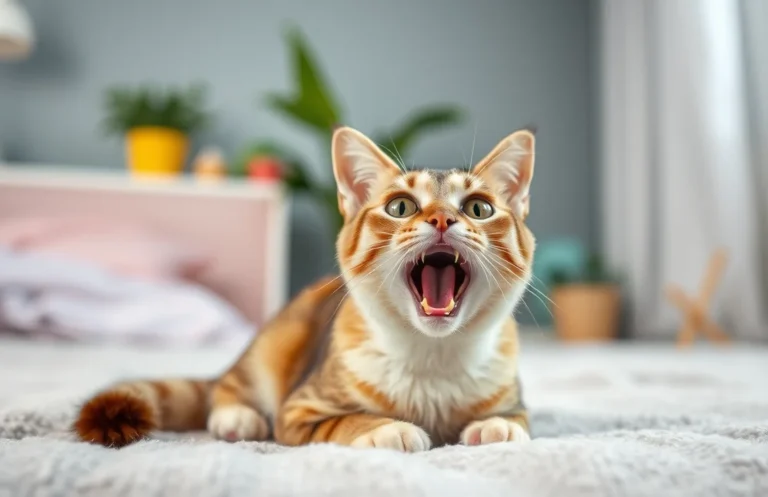
Euphoric Behavior
- Rolling and rubbing against surfaces
- Purring and vocalizing more than usual
- Increased playfulness or hyperactivity
- Friskiness and spontaneous bursts of energy
- Heightened curiosity and exploration
Duration of Effects
The euphoric effects of catnip typically last between 10 to 30 minutes. After this period, cats usually lose interest, and it may take up to an hour before they respond again. It’s essential to observe your cat’s behavior during and after exposure to ensure they remain comfortable and safe.
“While catnip is generally safe for cats, moderation is key. Overexposure can lead to temporary desensitization.”
As a responsible pet owner, ensure your cat has a healthy relationship with catnip. For kittens under 6 months, exposure to catnip might not have the same effects as it does on adult cats. Always monitor your cat’s reactions to avoid overstimulation.
Potential Human Reactions
Understanding the potential effects of smoking catnip on humans is crucial for anyone considering it. While catnip is primarily known for its effects on cats, it may also elicit some reactions in humans, albeit different and generally less intense.
Relaxation
Many individuals report a sense of mild relaxation after smoking catnip. This is primarily due to the presence of a compound called nepetalactone, which is the active ingredient in catnip. The effects can vary among individuals, but common experiences include:
- A calming sensation
- Reduced anxiety levels
- Improved mood
Mild Hallucinations
Some users may experience mild hallucinations or alterations in perception, similar to the euphoric responses seen in cats. These effects are typically not intense and can include:
- Visual distortions
- A heightened sense of creativity
- Enhanced sensory perceptions
“While mild, these effects can vary greatly, and not everyone will experience them.”
Potential Risks
Though reactions are usually mild, it’s essential to be cautious. Overconsumption can lead to:
- Dizziness
- Headaches
- Gastrointestinal discomfort
If you or someone else experiences severe symptoms or an adverse reaction, it’s advisable to consult a healthcare professional. Always prioritize safety when experimenting with any substance.
Health Risks of Smoking Catnip
Understanding the health implications of smoking catnip is vital for both humans and pets. While catnip is generally safe for cats, the act of smoking it poses certain health risks that can affect both species, particularly concerning respiratory issues and potential allergic reactions.
Respiratory Issues
Smoking any plant material can lead to respiratory problems. In humans, inhaling smoke from catnip can irritate the lungs and airways, leading to symptoms such as:
- Coughing
- Wheezing
- Shortness of breath
For pets, especially those with pre-existing respiratory conditions, exposure to smoke can be harmful. Cats and dogs may experience:
- Increased respiratory rate
- Labored breathing
- Signs of distress or discomfort
Allergic Reactions
Some individuals may develop an allergic reaction to catnip, which can manifest in several ways:
- Skin irritation or rashes
- Itchy eyes or nasal congestion
- Respiratory difficulties
“If your furry friend shows any signs of allergic reactions, such as persistent itching or breathing issues, it’s essential to consult your veterinarian promptly.”
| Symptom | Normal Reaction | Needs Vet Attention |
|---|---|---|
| Coughing | Occasional | Persistent or severe |
| Wheezing | No | Yes |
| Skin irritation | Mild | Severe or spreading |
For puppies under 6 months or senior pets over 7 years, extra caution is advised, as their immune systems may be more vulnerable. If any symptoms persist for more than 48 hours, a vet visit is necessary to ensure the health of your beloved companion.
Legal Status of Catnip
Understanding the legal status of catnip is crucial, especially when considering its use in non-traditional forms such as smoking. While catnip is generally regarded as safe and non-addictive for both pets and humans, regulations surrounding its use can vary by region, which impacts public perception and individual decisions.
Regulations
- Catnip is legal to sell and possess in most areas across the United States and many countries worldwide.
- It is not classified as a controlled substance, making it accessible for recreational and medicinal use.
- Some states may have specific regulations regarding the sale of herbal products, including catnip, particularly in stores that sell herbal remedies.
Public Perception
Public opinion on smoking catnip can be mixed, often influenced by its association with recreational use of other herbs. However, many view it as a harmless alternative to tobacco or other substances. Key points include:
- Many individuals report minimal psychoactive effects from smoking catnip compared to traditional substances.
- Some people advocate for its use due to perceived health benefits, while others raise concerns about potential respiratory impacts.
“While catnip may not be harmful in small quantities, it’s always best to consider the effects on your overall health and wellness.”
If you have any concerns about your own or your pet’s health in relation to catnip, consulting with a veterinarian is a prudent choice. They can provide personalized advice based on individual circumstances.
Safe Alternatives for Pets
While catnip can provide a playful experience for many felines, it’s essential to consider safe alternatives for pets that may not enjoy or react to catnip. These alternatives can offer stimulation and enrichment without the risks associated with smoking catnip.
Herbal Options
- Valerian Root: Known for its calming effects, valerian can be a good alternative that many cats enjoy.
- Silver Vine: This plant often elicits a stronger reaction than catnip in some cats and is safe to use.
- Cat Thyme: Not only does it smell good, but it can also provide a similar euphoric effect as catnip.
Interactive Toys
Engaging your pet with interactive toys can provide mental and physical stimulation that is safe and beneficial:
- Feather Wands: Encourage play and exercise while allowing you to bond with your cat.
- Laser Pointers: Great for exercise; just be sure to never shine the laser directly in their eyes.
- Puzzle Feeders: These toys stimulate your pet’s brain and can help with slowing down fast eaters.
“From my clinical experience, interactive play is crucial for a pet’s mental health and can help reduce behavioral issues.”
For puppies under 6 months, consider softer toys to ensure safety, and for senior pets, look for toys that are easy to manipulate. Always supervise playtime to prevent any choking hazards. By providing these alternatives, you can keep your furry friend happy and engaged without any risks associated with smoking catnip.
Quick Summary
- Understand effects: Smoking catnip can cause mild sedation or excitement in cats but can be harmful if ingested in large quantities.
- Watch for symptoms: If your cat shows signs of excessive lethargy, vomiting, or disorientation, seek veterinary care.
- Daily routine: Monitor your cat’s behavior daily and limit catnip exposure to 1-2 times per week.
- Age-specific care: Senior cats may react more strongly; consult your vet about catnip use.
- Emergency contacts: Keep your vet and a poison hotline number accessible for immediate assistance.
| Contact | Phone Number |
|---|---|
| Veterinarian | [Your Vet’s Number] |
| Poison Hotline | [Poison Control Number] |
Frequently Asked Questions
Is it safe to smoke catnip?
No, smoking catnip is not recommended as it can irritate your lungs and airways. You can enjoy it safely by offering it to your cat in other forms, like dried leaves or toys.
What happens if my cat eats catnip?
Most cats will experience a euphoric reaction, which is completely normal. However, if your cat consumes too much, it may lead to mild gastrointestinal upset.
Can smoking catnip affect my pet’s behavior?
While smoking catnip can produce a temporary high in humans, it does not have the same effect on pets. You can encourage playful behavior by providing catnip in safe, non-smoking forms instead.
When should I take my cat to the vet after they’ve had catnip?
If your cat shows signs of distress, lethargy, or excessive vomiting after consuming catnip, you should take them to the vet. Generally, a visit is warranted if symptoms persist for more than 24 hours.
How much catnip can I safely give my cat?
You can offer catnip in moderation, typically around 1-2 teaspoons of dried catnip at a time. It’s best to limit exposure to a few times a week to prevent desensitization.