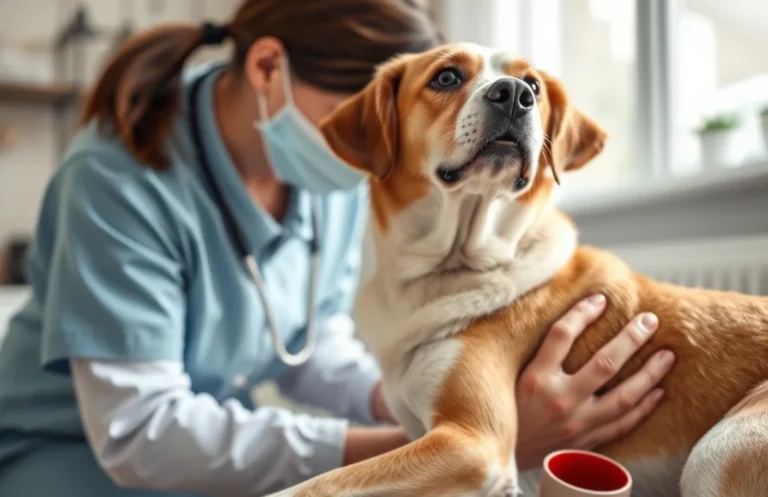
7 Warning Signs of Cancer in Dogs: What to Watch For
It’s completely normal to feel anxious about your furry friend’s health, especially when it comes to something as serious as cancer. Your love and attention are crucial in keeping your dog healthy.
Understanding the signs of cancer can make a significant difference in early detection, which often leads to better outcomes. If your dog exhibits any concerning symptoms, it’s essential to know when to consult a vet for a thorough evaluation.
| Symptom | Normal? | Action Needed | Urgency Level |
|---|---|---|---|
| Unexplained weight loss | No | Vet visit | High |
| Persistent coughing | No | Vet visit | High |
| Changes in appetite | Variable | Monitor | Medium |
| Lumps or bumps | No | Vet visit | High |
Importance of Early Detection
Recognizing the signs of cancer in dogs early can significantly improve treatment outcomes and enhance your furry friend’s quality of life. Being vigilant and attentive to changes in your dog’s behavior and health is crucial, as early intervention can lead to more effective treatment options.
- Timely veterinary intervention: Detecting symptoms early allows for prompt veterinary consultations, which can lead to more effective treatment plans and better prognoses.
- Increased survival rates: Studies show that dogs diagnosed with cancer at an early stage have higher survival rates compared to those diagnosed later. Early detection can often mean the difference between life and death.
- Less invasive treatments: Early-stage cancer often requires less aggressive treatment options, which can minimize side effects and improve your pet’s overall well-being during and after treatment.
- Better management of symptoms: Understanding the signs of cancer allows pet owners to manage symptoms more effectively, providing comfort and care for their pets throughout the treatment process.
- Peace of mind: Being proactive about your dog’s health can alleviate anxiety surrounding their well-being. Knowing you are taking steps to ensure their health can provide comfort for both you and your pet.
Common Signs of Canine Cancer
Recognizing the signs of cancer in your dog is crucial for early intervention and treatment. Many signs may be subtle at first, but being aware of these changes can help you take action sooner for your furry friend’s health. Here are some common signs to watch for:
- Lumps or Swellings: Any new bumps or masses that appear on your dog’s body should be examined by a veterinarian, especially if they grow in size or change in shape.
- Unexplained Weight Loss: If your dog is losing weight without a change in diet or activity level, it can be a significant indicator of health issues, including cancer.
- Persistent Coughing: A cough that lasts more than a few days can signal respiratory issues, including tumors in the lungs. If it persists for more than 48 hours, schedule a vet visit.
- Changes in Appetite: A sudden increase or decrease in your dog’s appetite can be a warning sign. If your dog refuses food for more than 24 hours, consult your vet.
- Difficulty Breathing: Signs of labored breathing or excessive panting can indicate serious health concerns and warrant immediate veterinary attention.
- Vomiting or Diarrhea: Frequent vomiting or diarrhea, particularly if accompanied by other symptoms, should prompt a vet visit to rule out underlying issues.
- Changes in Urination: Increased or decreased urination, or straining to urinate, can be signs of urinary tract issues or tumors affecting the urinary system.
- Lethargy: If your dog seems unusually tired or less active than normal, it could be a sign of an underlying health problem that needs to be addressed.
- Behavioral Changes: Sudden changes in behavior, such as increased aggression or withdrawal, can indicate discomfort or pain and should prompt a veterinary evaluation.
Age and Breed Factors
Understanding how age and breed influence the risk of cancer in dogs is crucial for early detection and intervention. Certain breeds and age groups are more susceptible to specific types of cancer, making awareness of these factors essential for every pet owner.
Puppies and Kittens (0-12 months)
- While cancer is relatively uncommon in young pets, it can still occur. Watch for unusual lumps or growths that appear suddenly. If any mass grows over time or seems painful, consult your veterinarian.
- Monitor their energy levels and appetite. A sudden change in behavior, such as lethargy or refusal to eat, should prompt a vet visit.
Adult Dogs (1-7 years)
- Adult dogs can develop certain cancers, such as lymphoma or hemangiosarcoma. Look for signs like unexplained weight loss, persistent vomiting, or noticeable changes in their drinking habits. Schedule a vet check if these symptoms persist for more than 48 hours.
- Regular check-ups are vital during this stage. Discuss any breed-specific risks with your vet, especially for breeds prone to cancers, such as Golden Retrievers and Boxers.
Senior Dogs (7+ years)
- Seniors are at a higher risk for cancer. Common signs include difficulty breathing, coughing, or unusual swelling. If you notice any of these, it is important to schedule an appointment with your vet promptly.
- Maintain a watchful eye on their behavior and health. Regular veterinary exams every six months can help catch any issues early. Your vet may recommend specific screenings based on your dog’s breed and health history.
Breed-Specific Risks
From my clinical experience, certain breeds, such as Rottweilers and Bernese Mountain Dogs, are predisposed to specific cancers. Being aware of these risks can help you stay vigilant.
- Brachycephalic breeds (Bulldogs, Pugs) are more prone to respiratory issues that may mask cancer symptoms.
- Large breeds may be at higher risk for bone cancers, while smaller breeds can be more susceptible to skin tumors.
Health Monitoring Tips
Regular health monitoring is essential for early detection of potential issues, including signs of cancer in dogs. By being vigilant and proactive, you can help ensure your furry friend receives the care they need when it matters most. Here are some practical tips to keep your dog’s health in check.
Regular Check-ups
Schedule routine veterinary visits at least once a year for adult dogs and more frequently for senior dogs (over 7 years). These check-ups allow for early detection of any health issues, including cancer. Your vet will perform a thorough examination and may recommend blood tests or imaging if necessary.
At-Home Observations
Pay attention to changes in your dog’s behavior and physical condition. Here are key signs to monitor:
- Unexplained weight loss
- Persistent lumps or bumps
- Coughing or difficulty breathing
- Changes in appetite or water intake
- Unusual lethargy or fatigue
- Vomiting or diarrhea that lasts more than 24 hours
Keeping a Health Journal
Document your observations in a health journal. This can help you notice patterns and provide valuable information to your vet. Include:
- Daily behavior changes
- Feeding habits and any changes in diet
- Physical changes such as weight or coat condition
- Any new symptoms or signs
“From my clinical experience, keeping a health journal can significantly aid in identifying issues early, allowing for timely intervention.”
By following these health monitoring tips, you can become your dog’s best advocate, ensuring they lead a happy, healthy life.
When to Consult a Vet
Recognizing the signs of cancer in your dog can be crucial for early intervention and treatment. There are specific symptoms that warrant immediate veterinary attention, as well as those that require regular check-ups. Understanding these can help you act promptly to ensure your furry friend receives the care they need.
- Immediate Red Flags: If you notice any of the following symptoms, seek veterinary attention right away:
- Persistent vomiting or diarrhea: Especially if it lasts more than 24 hours, this could indicate a serious underlying issue.
- Unexplained weight loss: A sudden drop in weight without changes to diet or exercise can be a sign of cancer.
- Difficulty breathing or coughing: These symptoms can indicate serious respiratory issues that may be related to cancer.
- Visible lumps or swelling: Any new or changing growths should be evaluated by a veterinarian immediately.
- Regular Check-up Importance: Regular veterinary visits are essential, especially for senior dogs over 7 years. Routine check-ups can help catch potential issues early, allowing for better outcomes.
- Emergency Signs: Look for signs that require urgent care, such as:
- Seizures: If your dog experiences a seizure, it is vital to consult a vet immediately.
- Extreme lethargy: If your dog is unusually tired or unresponsive, don’t hesitate to call your vet.
- Blood in urine or stool: This could indicate serious health issues that need immediate evaluation.
Supporting Cancer Care
For dogs diagnosed with cancer, providing the right nutritional support and comfort care is essential to enhance their quality of life. This section discusses specific strategies to meet your furry friend’s needs during this challenging time.
Nutritional Needs
- High-Quality Protein: Cancer can increase a dog’s energy needs. Ensure a diet rich in easily digestible proteins like chicken or fish. Feed approximately 1 cup of high-quality protein source per 10 lbs of body weight daily.
- Healthy Fats: Incorporate omega-3 fatty acids to support overall health. Consider adding fish oil, aiming for about 1,000 mg per 10 lbs of body weight.
- Complex Carbohydrates: Offer sweet potatoes or brown rice to provide energy without spiking insulin levels. Feed about ¼ cup per 5 lbs of body weight, mixed into their meals.
Comfort Care
- Cozy Resting Areas: Create a comfortable space with soft bedding to help your dog rest easily.
- Gentle Exercise: Short, leisurely walks can stimulate appetite and maintain mobility without overexertion.
- Hydration: Ensure your dog has access to fresh water at all times, as hydration is crucial for health.
Palliative Options
- Pain Management: Consult your vet about appropriate pain relief options if your dog shows signs of discomfort.
- Quality of Life Assessments: Regularly evaluate your dog’s comfort and happiness, discussing any changes with your veterinarian.
- End-of-Life Care: If necessary, discuss hospice care or humane euthanasia options with your vet to prioritize your dog’s dignity.
Statistics on Canine Cancer
Understanding the statistics surrounding canine cancer is crucial for pet owners. Awareness of prevalence rates, common types of cancer, and survival rates can help you recognize the signs early and seek veterinary care promptly for your beloved dog.
Prevalence Rates
Approximately 1 in 4 dogs will be diagnosed with some form of cancer in their lifetime. As dogs age, the risk increases significantly.
Common Types of Cancer
- Hemangiosarcoma: A cancer of blood vessel cells, commonly seen in older dogs.
- Osteosarcoma: Bone cancer that is more prevalent in larger breeds.
- Lymphoma: Affects the lymphatic system, often seen in middle-aged dogs.
- Melanoma: Skin cancer that can be aggressive, particularly in breeds with dark pigmentation.
Survival Rates by Type
From my clinical experience, early detection and treatment significantly improve survival rates for many cancers.
| Type of Cancer | Average Survival Rate |
|---|---|
| Hemangiosarcoma | 2-6 months |
| Osteosarcoma | 12 months (with amputation) |
| Lymphoma | 12-24 months (with treatment) |
| Melanoma | 6-12 months (depending on stage) |
For senior dogs over 7 years, regular veterinary check-ups are essential to catch potential health issues early. Schedule a vet consultation if you notice any unusual signs or changes in behavior.
Quick Summary
- Key care essentials: Regular veterinary check-ups are crucial for early detection.
- Warning signs that need a vet visit: Unexplained weight loss, persistent lumps, and changes in appetite.
- Daily routine checklist: Monitor for any unusual behavior, appetite changes, or lethargy.
- Age-specific tip: Older dogs (7+) should have bi-annual screenings for cancer.
- Emergency contact reminder: Keep your vet’s number and local poison hotline readily available.
| Sign | Action |
|---|---|
| Unexplained weight loss | Schedule a vet visit |
| Persistent lumps | Have them examined |
| Chronic coughing | Consult your veterinarian |
| Changes in behavior | Document and report |
Frequently Asked Questions
What are the common signs of cancer in dogs?
Common signs include unexplained weight loss, lethargy, and persistent coughing. You can also notice unusual lumps or swelling that do not go away.
Is my dog’s behavior normal or a sign of something serious?
If your dog is exhibiting changes in appetite, energy levels, or drinking habits, these could be signs of underlying health issues, including cancer. It’s best to monitor these changes closely.
When should I take my dog to the vet for these symptoms?
You should take your dog to the vet if you notice any persistent symptoms lasting more than a week or if they seem to worsen over time. Early detection is crucial for effective treatment.
How much should I feed my dog based on their weight and age?
The amount to feed your dog varies, but generally, adult dogs require about 20-30 calories per pound of body weight daily, adjusted for age and activity level. Consult your vet for personalized recommendations.
What human foods are safe or dangerous for dogs?
Safe foods include carrots, apples, and cooked chicken, while dangerous foods include chocolate, grapes, and onions. Always check with your vet before introducing new foods to your dog’s diet.