Dogs in the Civil War: 7 Roles and Stories That Shaped History
You might wonder how dogs played a part in significant events like the Civil War. This interest shows your love for understanding not just your pet, but their role in our shared history.
During the Civil War, dogs served in several important roles, including messengers, scouts, and companions. These loyal animals were crucial for communication and morale. While most health concerns are manageable, if your dog shows signs of distress or illness, it’s wise to consult your vet.
| Symptom | Normal? | Action Needed | Urgency Level |
|---|---|---|---|
| Coughing | No | Vet visit | High |
| Lethargy | No | Vet visit | Medium |
| Normal appetite | Yes | Monitor | Low |
Civil War Context
The American Civil War, spanning from 1861 to 1865, marked a significant period in history, not only due to the strife between the North and South but also for the various roles animals played, particularly dogs. Understanding the military needs during this time helps illuminate how dogs were integrated into military operations, providing invaluable assistance to soldiers and strategists alike.
Timeline of the Civil War
- 1861: The war begins with the attack on Fort Sumter.
- 1863: The Battle of Gettysburg occurs, a turning point in the war.
- 1865: The war ends with the surrender of Confederate General Robert E. Lee.
Overview of Military Needs
Throughout the Civil War, the military faced numerous challenges that called for innovative solutions, including the use of dogs in various capacities:
- Communication: Dogs were trained to carry messages between units.
- Search and Rescue: They helped locate wounded soldiers on the battlefield.
- Guard and Patrol: Dogs provided security by alerting soldiers to intruders or dangers.
- Companionship: They served as morale boosters for troops in the field.
“From my clinical experience, dogs in the military not only performed tasks but also provided emotional support to soldiers, which was crucial during such a tumultuous time.”
As the war progressed, the roles of dogs evolved, showcasing their adaptability and the growing recognition of their importance in military strategy. This context sets the stage for a deeper understanding of the specific roles dogs played in warfare, which will be explored further in the next section.
Roles of Dogs in Warfare
During the Civil War, dogs played crucial roles that significantly impacted military operations. Their unique abilities allowed them to serve in various capacities, enhancing communication and security for troops. Understanding these roles helps us appreciate the bond between humans and dogs in times of conflict.
Messenger Dogs
Messenger dogs were trained to carry messages between units, ensuring swift communication across battlefields. Their speed and keen sense of direction made them invaluable assets in situations where human messengers could be easily targeted or delayed. Notable breeds used for this role included:
- Collies
- German Shepherds
- Terriers
“Many accounts describe dogs successfully delivering vital messages, saving lives by providing timely information.”
Guard Dogs
Guard dogs provided security for camps and supply lines, alerting soldiers to any potential threats. Their strong instincts and protective nature made them essential for safeguarding equipment and personnel. Key characteristics of guard dogs included:
- Bravery
- Alertness
- Strong loyalty to their handlers
Scent Detection
Some dogs were trained for scent detection, helping locate wounded soldiers on the battlefield or identify enemy positions. This ability to track scents was particularly useful in dense terrain where visibility was limited. Noteworthy details include:
- Dogs could detect smells from great distances, which aided in locating injured comrades.
- Breeds like Bloodhounds were particularly effective due to their exceptional olfactory senses.
The contributions of these brave canines during the Civil War illustrate the significant roles they played, often going beyond companionship to become true partners in survival and strategy.
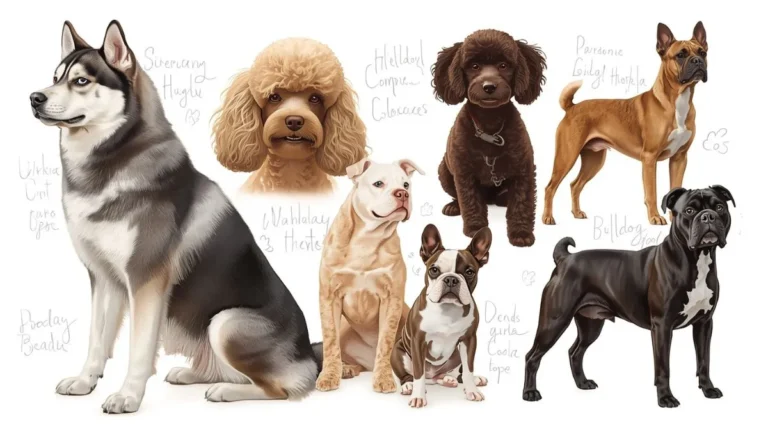
Common Breeds Used
This section highlights the specific breeds of dogs that played vital roles during the Civil War, illustrating their importance in various capacities. Understanding these breeds helps us appreciate their contributions and the unique qualities they brought to the battlefield.
Terriers
Terriers were often valued for their tenacity and ability to handle small pests, which were common in camps. Their spirited nature made them excellent companions for soldiers.
- Fox Terrier: Known for their agility and intelligence, these dogs were often seen chasing away rodents.
- Boston Terrier: Small yet bold, they provided companionship and were effective in pest control.
Retrievers
Retrievers were utilized for their exceptional ability to fetch and retrieve items, which was crucial for communication and supply delivery.
- Chesapeake Bay Retriever: Renowned for their strength and versatility, they excelled in various tasks, including retrieving supplies from water.
- Flat-Coated Retriever: Their friendly nature made them beloved by soldiers while being efficient at retrieving items on the battlefield.
Hounds
Hounds played significant roles, especially in tracking and searching. Their keen sense of smell was invaluable in locating missing soldiers or supplies.
- Bloodhound: Famous for their tracking ability, they were employed in search-and-rescue missions.
- Beagle: Their small size and keen sense of smell made them excellent for reconnaissance work.
“Dogs during the Civil War were more than companions; they were essential allies in navigating the chaos of battle.”
Notable Stories of Dogs
Throughout the Civil War, dogs played crucial roles that went beyond companionship. Their loyalty and instincts led them to perform remarkable acts that saved lives and provided comfort during harrowing times. Here are some notable stories that highlight the significant impact dogs had during this turbulent period.
Famous War Dogs
- Old Jack: A beloved mascot for the 5th New Hampshire Volunteer Infantry, Old Jack was known for his unwavering loyalty. He was often found at the front lines, and soldiers claimed that his presence brought them good luck.
- Stubby: Perhaps the most famous war dog, Stubby was a stray that became the official mascot of the 102nd Infantry. He participated in 17 battles, saved his regiment from surprise attacks, and even helped locate injured soldiers on the battlefield.
Heroic Acts
“From my clinical experience, the bond between soldiers and their dogs provided immense emotional support, crucial for morale during the war.” – Veterinary Technician
- Dogs were often used as messengers, carrying notes between units to relay vital information.
- Some were trained as sentries, alerting troops to approaching dangers.
- Search and rescue dogs became instrumental in locating wounded soldiers, providing comfort and companionship until help arrived.
| Heroic Dogs | Actions |
|---|---|
| Stubby | Saved soldiers, participated in battles, and detected gas attacks. |
| Old Jack | Served as a morale booster and provided companionship. |
These stories illustrate not only the bravery of these canine heroes but also the deep connection between soldiers and their dogs, which significantly impacted the emotional landscape of the Civil War.
Impact on Soldiers
During the Civil War, dogs played an essential role in uplifting the spirits of soldiers amidst the harrowing conditions of battle. Their presence provided not only companionship but also emotional support, significantly affecting the morale of those serving on the front lines.
- Emotional Support: Dogs served as a source of comfort for soldiers who were often isolated from their families. The unconditional love and loyalty that dogs exhibit created a bond that helped soldiers cope with stress, anxiety, and homesickness. Many soldiers reported feeling calmer and more resilient in the presence of their canine companions.
- Companionship: The companionship provided by dogs helped to alleviate feelings of loneliness and despair. Soldiers would often share their rations and even their beds with these animals, fostering a sense of community and shared experience. This bond contributed to a more positive outlook among troops, which was crucial during the hardships of war.
- Psychological Benefits: Interacting with dogs was found to improve soldiers’ mental health, promoting feelings of happiness and reducing feelings of depression. Studies on animal-assisted therapy have shown that such bonds can lead to lower stress levels, which was particularly beneficial during long periods of conflict.
“From my clinical experience, many soldiers found that their dogs provided a sense of normalcy and stability during chaotic times.”
The impact of dogs on soldiers during the Civil War was profound, helping them navigate the emotional toll of warfare. Their loyal presence was a beacon of hope and comfort in a time of uncertainty.
Post-War Significance
The legacy of dogs in military history extends well beyond the Civil War, influencing military practices and cultural perceptions of canine companions. Their roles during this tumultuous period paved the way for the evolution of military working dogs and established a profound cultural impact that resonates to this day.
Evolution of Military Dogs
Following the Civil War, the contributions of dogs were recognized more widely, leading to the formal integration of canines into military operations. This evolution included:
- Search and Rescue: Dogs were trained to locate wounded soldiers on battlefields.
- Messenger Dogs: Breeds such as the German Shepherd were refined for communication tasks.
- Guard and Patrol Dogs: Dogs became essential for base security and perimeter patrols.
Cultural Impact
The presence of dogs in the Civil War also shaped American culture. Their bravery and loyalty were celebrated in literature and art, contributing to a growing bond between humans and dogs. Notable impacts include:
“The valor of these dogs inspired stories that highlighted their loyalty, leading to a lasting appreciation for their role in our lives.” – Veterinary Historian
| Dog Breed | Role in Military | Cultural Reference |
|---|---|---|
| Bloodhound | Tracking | Featured in various war stories |
| Terriers | Rat Control | Symbol of bravery and tenacity |
| Newfoundland | Rescue | Heroic tales of saving lives |
Today, many military organizations continue to train dogs for various roles, reflecting the enduring legacy established during the Civil War. Understanding this historical significance can deepen the appreciation for our furry friends and their place in both our hearts and history.
Lessons from History
The role of dogs during the Civil War highlights their profound impact as companions and working partners. Understanding their contributions can enrich our appreciation for canine companionship today and inspire us to foster better training practices.
Value of Canine Companionship
Dogs served in various essential roles during the Civil War, showcasing their loyalty and bravery. Their companionship not only provided comfort to soldiers but also enhanced morale in challenging times. Here are some key insights:
- Dogs were often used as messengers, helping transmit important information across battlefields.
- They acted as sentries, alerting troops to approaching dangers.
- Some dogs participated in search and rescue operations, finding wounded soldiers.
“Dogs remind us of the importance of loyalty and companionship in our lives, just as they did on the battlefields.” – A veterinary technician’s perspective
Training Insights
Training methods used during the Civil War can still inform our current practices. A few takeaways include:
- Positive reinforcement was crucial; rewarding desired behaviors fosters trust and cooperation.
- Consistency in commands and expectations helps dogs understand their roles better.
- Socializing dogs early on prepares them for various environments and situations.
For puppies under 6 months, start with simple commands like “sit” and “stay,” rewarding them with treats. For adult dogs, maintain regular training sessions to reinforce good behavior and prevent issues. Remember, your furry friend’s education is a lifelong journey that strengthens your bond. If you encounter behavioral problems, consulting a trainer can lead to effective solutions.
Quick Summary
- Key roles of dogs: Dogs were used for messenger services, scouting, and as companions for soldiers.
- Types of breeds: Breeds like the Mastiff, Bloodhound, and Terriers were commonly employed.
- Health considerations: Dogs faced injuries and illness due to harsh conditions and lack of veterinary care.
- Historical impact: Their contributions significantly influenced battle outcomes and soldier morale.
| Contact | Number |
|---|---|
| Veterinarian | (Your vet’s number) |
| Poison Control Hotline | (Your local hotline) |
Frequently Asked Questions
What roles did dogs play during the Civil War?
Dogs served various roles including messengers, scouts, and search and rescue animals. They were also used for companionship, boosting morale among troops.
Were any specific breeds of dogs commonly used in the Civil War?
Common breeds included terriers, hounds, and mastiffs, as these breeds were well-suited for various tasks like hunting and guarding.
How were dogs trained for their roles in the Civil War?
Dogs were trained through repetitive commands and rewards, similar to modern training methods, focusing on obedience and specific tasks needed for military operations.
Did any soldiers have personal dogs during the Civil War?
Yes, many soldiers brought their own dogs from home, and these pets often served as companions and morale boosters during the harsh conditions of war.
What happened to the dogs after the Civil War?
After the war, many dogs were , depending on their circumstances and the soldiers’ ability to care for them post-war.